
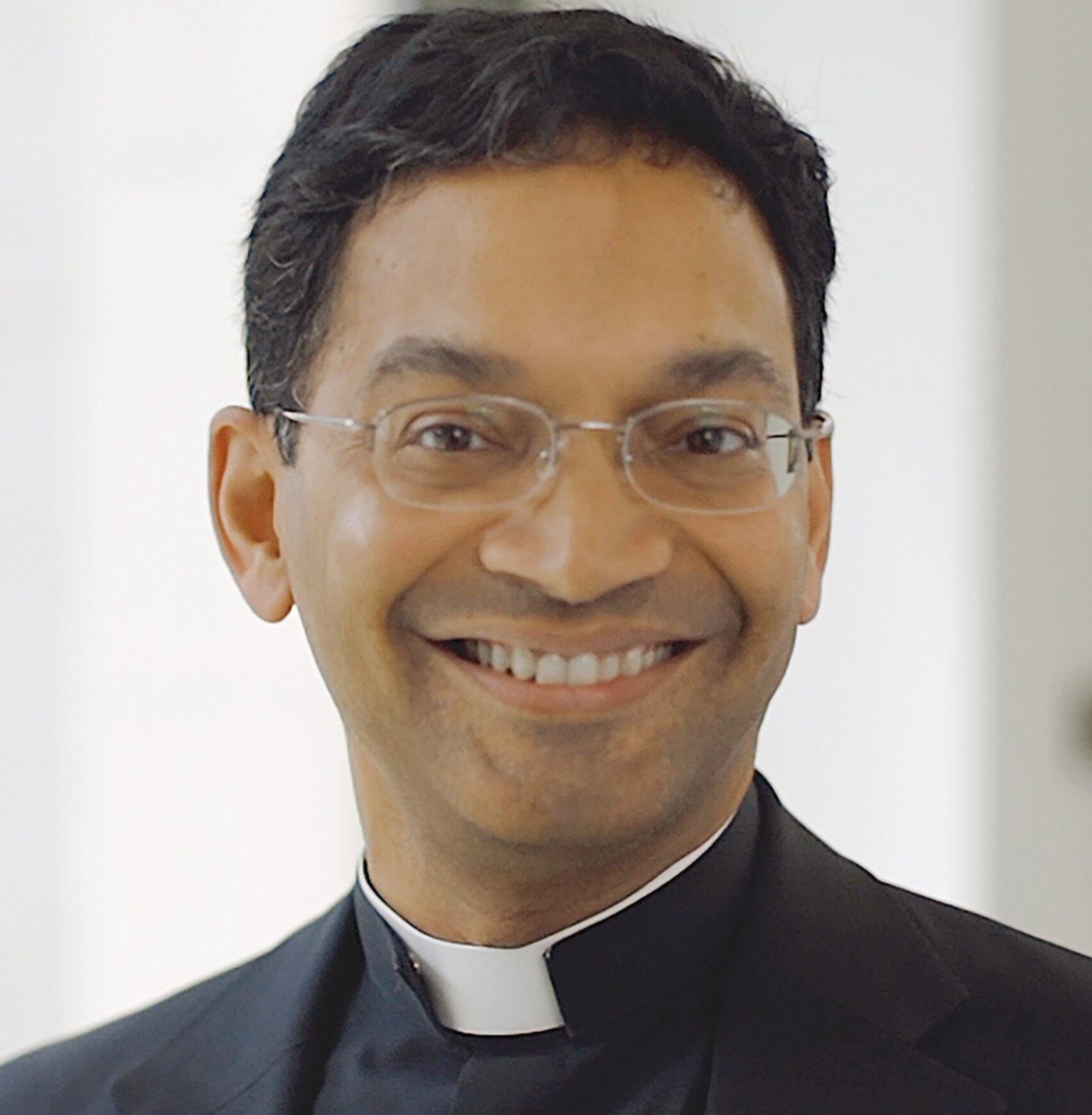

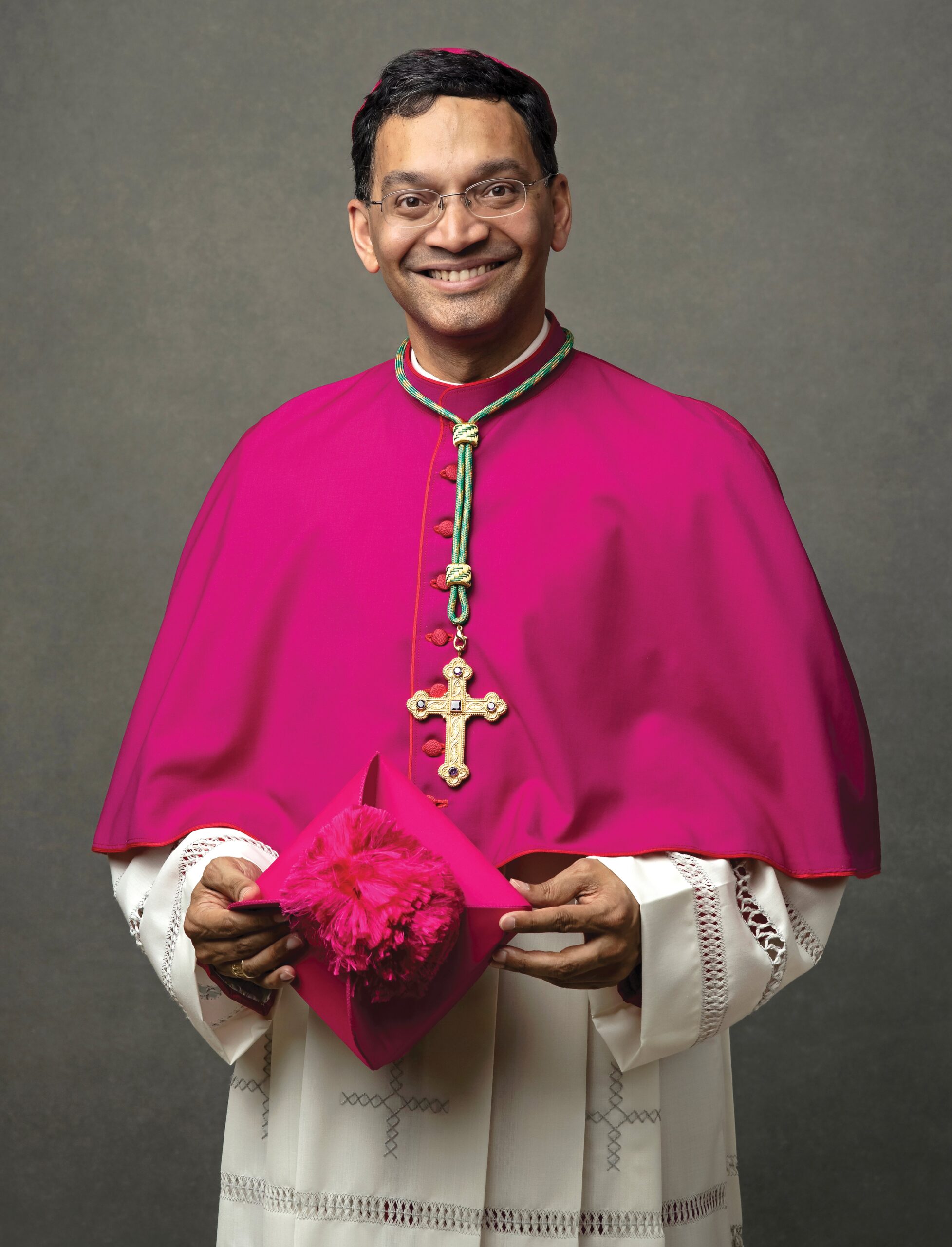
Bishop Earl K. Fernandes of Columbus, Ohio, has granted a dispensation from Mass on Sundays and holy days of obligation to Catholics without authorization to stay in the United States, as well as those who “reasonably fear” being pursued in the ongoing immigration crackdown across the country.
The decree, dated Dec. 23, noted the increase in immigration enforcement activities in the Diocese of Columbus has created “a rise in fear and anxiety” in its immigrant community.
“I hereby dispense from the obligation to attend Holy Mass, all those persons who reasonably fear being detained, even those with proper legal documentation, who fear separation from their families, experience intimidation because of their status or ethnic background, or other actions of immigration enforcement,” Bishop Fernandes wrote.

The bishop said the decree would be in effect through the Christmas season, ending on the feast of the Baptism of the Lord, Jan. 11, 2026.
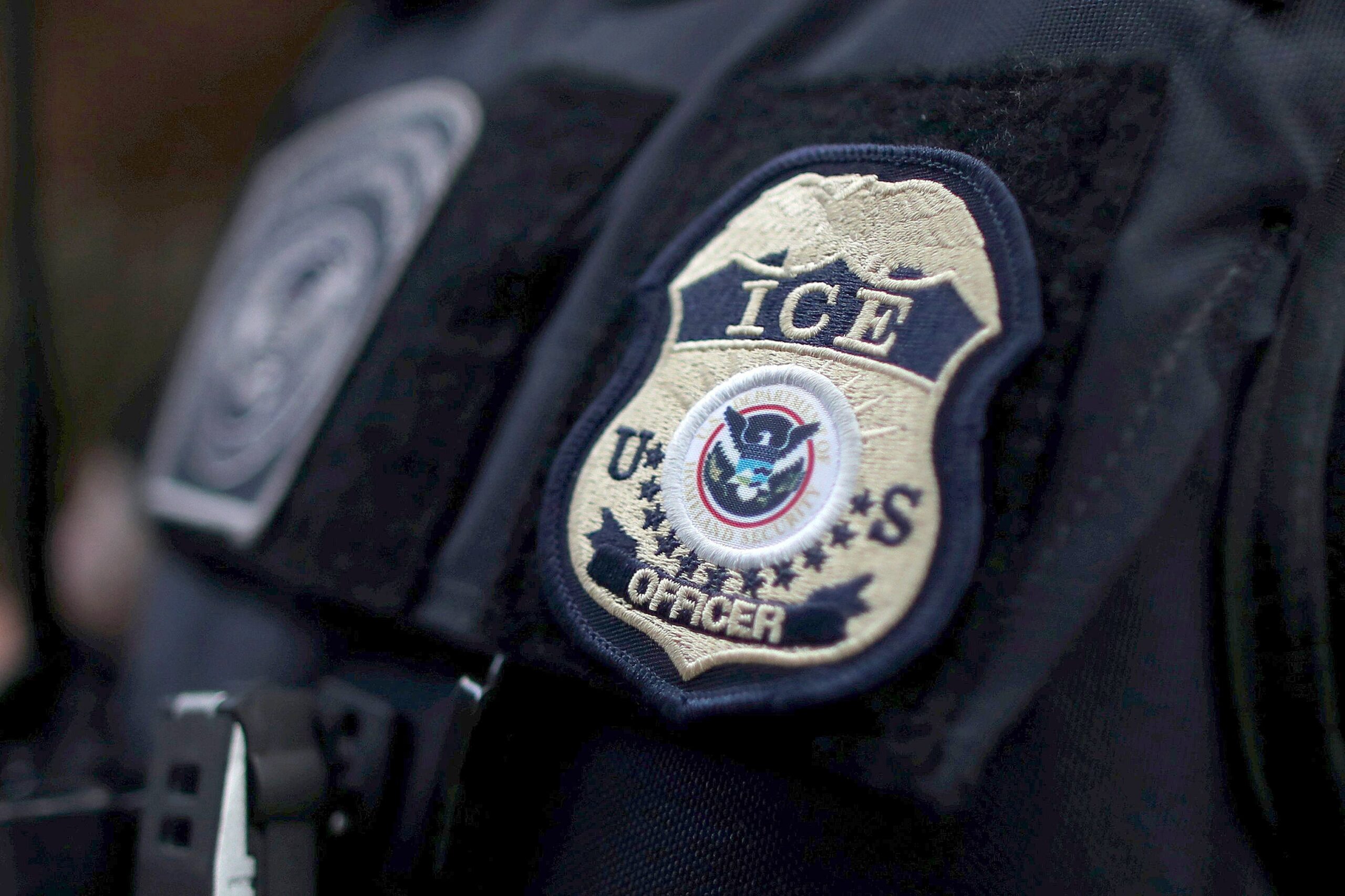
The Trump administration’s severe measures in pursuing migrants without legal documents have discouraged the faithful in several U.S. cities from attending Mass or other church activities, or even working, grocery shopping or attending school. The administration’s measures include rescinding long-standing restrictions on arrests at sensitive locations, including houses of worship, schools and hospitals.
In his decree, Bishop Fernandes encouraged all priests serving in the diocese “to be generous in attending to the pastoral care of the faithful who cannot participate in Mass and who are in need of pastoral and sacramental care,” including the anointing of the sick, confession and Communion.
The decree enjoins those under dispensation to join a live-streamed Mass and make a spiritual Communion. It also encourages them to engage in devotions such as “praying the family rosary, meditating on the Nativity scene and other activities of popular piety.”
The decree follows similar dispensations around the country. In July, Bishop Alberto Rojas of San Bernardino, California, issued a dispensation to the faithful who, “due to genuine fear of immigration enforcement actions by civil authorities,” were not able to go to Sunday Mass or Mass on holy days of obligation.
Bishop Rojas issued the July 8 decree after Immigration and Customs Enforcement picked up and detained multiple people on two Catholic parish properties. He encouraged pastoral and sacramental care as well as devotional activities and online Mass for the faithful. The decree said the dispensation remains in effect until it is revoked or amended.
In May, the Diocese of Nashville, Tennessee, issued a notice to the faithful that they are not obligated to attend Mass if they fear for their safety, in line with church teaching and canon law.
While it is not a formal dispensation, “that point exists in canon law and the catechism, and any Catholic can always make the individual determination that local conditions create the dangers,” Rick Musacchio, the Tennessee Catholic Conference executive director, told OSV News in May.
Catholics are ordinarily obliged to attend Mass on Sundays and holy days of obligation, which in the United States are the solemnities of Mary, Mother of God (Jan. 1); Ascension (Thursday of the Sixth Week of Easter); Assumption (Aug. 15); All Saints (Nov. 1); Immaculate Conception (Dec. 8) and Christmas (Dec. 25).
The Catechism of the Catholic Church says that Catholics “who deliberately fail in this obligation commit a grave sin.” However, Catholics can be excused from this obligation “for a serious reason (for example, illness, the care of infants) or dispensed by their own pastor.”