


CHICAGO — Illinois’ physician-assisted suicide law, set to take effect Sept. 12, has been temporarily blocked by a federal judge for specific individuals.
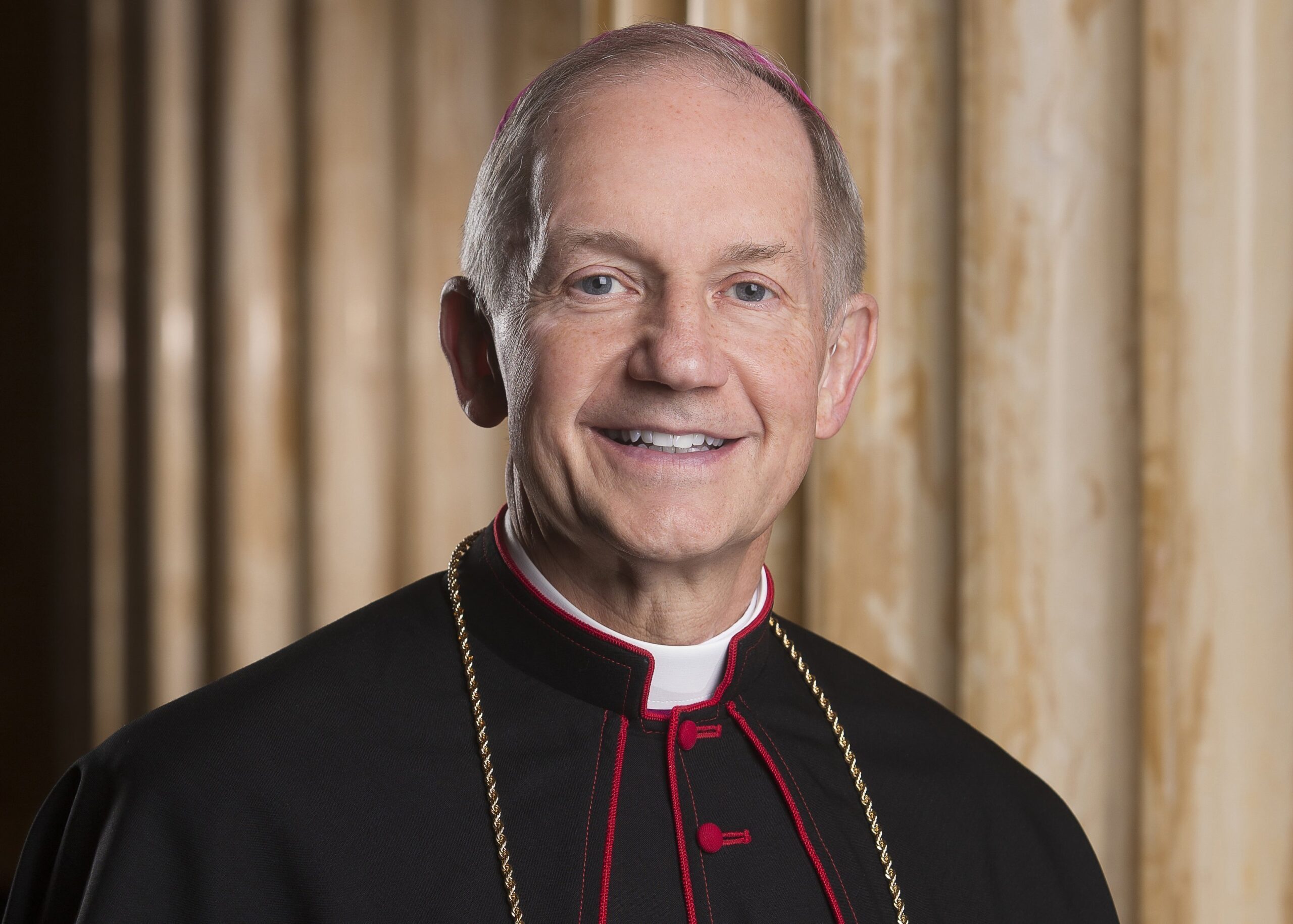
The order applies to “Catholic health care entities” under the authority of Bishop Thomas J. Paprocki of Springfield, four Catholic doctors and Lutheran Care Center, a nursing home in south-central Illinois. (Two Catholic hospital systems, the Hospital Sisters Health System and OSF Healthcare’s Springfield campus, are both in the diocese).
The Thomas More Society announced U.S. District Court Judge Franklin Valderrama placed the temporary restraining order on the End of Life Options for Terminally Ill Patients Act on Aug. 21.

In an Aug. 24 news release, the Thomas More Society said, for now, the state cannot force its clients “to tout the alleged ‘benefits’ of assisted suicide, refer patients to someone willing to prescribe lethal drugs, log those requests in a way that triggers the state’s suicide ‘qualification’ process, avoid engaging in whatever the state decides is ‘misinformation’ about suicide, or falsify death certificates to conceal how a patient died.”
Thomas More Society, a Catholic-run public interest law firm based in Chicago, argued in a lawsuit filed Aug. 11 against the state’s secretary of finance and professional regulation and the director of the Illinois Department of Public Health that the law infringes on their clients’ religious liberty and free speech rights.
The law states that patients who are seriously ill and given a prognosis of six months or less to live can request assisted suicide. Two doctors must concur on the terminal diagnosis, and, if needed, a licensed mental health worker would deem a patient mentally fit to self-administer a prescribed cocktail of powerful, high-dose drugs that would induce death. The cause of death on the death certificate cannot be listed as suicide and must state the originally diagnosed terminal disease.
It also says that “no health care entity shall prohibit a healthcare professional from … practicing aid-in-dying care outside of the healthcare professional’s employment.” A physician who refuses a request from a patient who then seeks help elsewhere, must transfer a patient’s medical records “without undue delay” to a provider who would carry out their request.
The Thomas More Society said providers following their conscience and refusing to do this face $10,000 fines, license revocation and criminal prosecution.
“The foregoing restraint from enforcement includes refraining from treating Plaintiffs’ noncompliance with any such provisions as a basis for liability, discipline, or licensure action under any law,” Valderrama said in his order.
He said the order is in place pending the result of two cases under appeal in the 7th U.S. Circuit Court of Appeals, NIFLA v. Treto and Schroeder v. Treto. Thomas More Society is also involved in both suits, filed on free speech grounds and on infringement of religious liberty grounds, respectively.
“Illinois’s new law forces faithful health care providers to cooperate in the state’s suicide promotion scheme, and this agreement protects our clients from this grave assault on their religious beliefs,” said Peter Breen, executive vice president and head of litigation at Thomas More Society.
“No government has the power to tell a bishop what is or isn’t moral or to require doctors to violate their oath to respect and protect human life,” Breen said. “This is a critical first victory for these faithful doctors, for Bishop Paprocki’s Catholic hospitals, and for the Lutheran Care Center.”
Dr. Mary Keen Kirchoff, the first plaintiff named in the lawsuit said in the news release she had been wondering whether “staying true” to her beliefs would “cost me my career.”
She was “relieved” the state agreed to the temporary restraining order and “grateful” to be able to “keep practicing medicine according to my integrity and my faith without that threat hanging over me — for now.”
The author, Simone Orendain, is an OSV News correspondent. She writes from Chicago.