


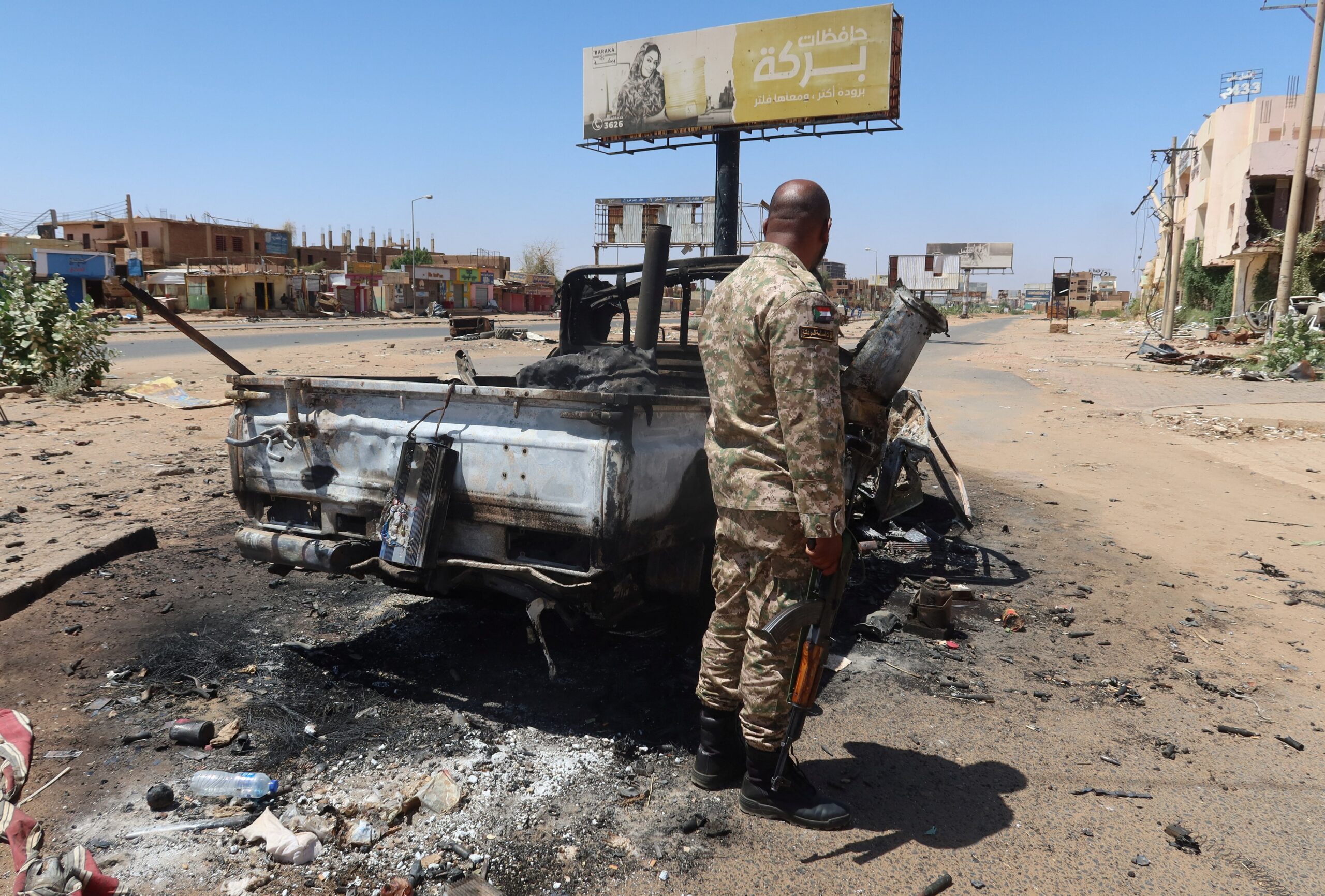
A Catholic bishop in South Sudan appealed for peace, respect of human life and the protection of civilians in Sudan, as the town of Kalogi, South Kordofan region, reeled from the deaths of over 100 people killed in drone strikes.
According to reports the drones struck the al-Hanan kindergarten while students were attending classes. Drones also struck the Kalogi rural hospital where the injured were getting treated and a government facility on Dec. 4. At least 116 people were killed, 63 of them children.
“There is no respect for human life in this war. This should be the concern for all of us and the international community,” Bishop Christian Carlassare of Bentiu told OSV News in a WhatsApp interview. “In Sudan, humanity is under siege by greed and thirst for power.”


In what Sudan Doctors Network referred to as a “suicide drone attack,” a second drone had struck people who had gathered to provide help to the children and the civilians.
The medical network, along with the army, accused the Rapid Support Forces, one of the sides in the country’s raging civil war, of mounting the attack, according to the BBC.
The Sudan Relief Fund — a charity deeply connected with the Catholic Church — said the death toll might be higher than reported due to communication blackouts that make it difficult to confirm the number of casualties and the difficulties that challenge the delivery of medical aid to the wounded in Sudanese war zones.
The late Bishop Max Macram Gassis of El-Obeid founded the charity in 1998 to bring food, clean water, clothing, medical attention and the gospel of hope to the people of Sudan.
Tedros Adhanom Ghebreyesus, director general of the World Health Organization, also confirmed paramedics and responders came under attack as they tried to move the injured from the kindergarten to the hospital.
“WHO deplores these senseless attacks on civilians and health facilities, and calls again for an end to the violence, and increased access to humanitarian aid, including health,” he said.
The Sudanese “have suffered far too much. Ceasefire now!” he said, according to the BBC.
Just two days before the attack Ghebreyesus said in a post on X that “Since the start of the conflict in April 2023, WHO has verified 198 attacks on health care, that killed 1,735 health care workers and patients, and wounded 438,” reminding that “Attacks on health care are a violation of international humanitarian law and must stop.”
Sheldon Sheldon Yett, the UNICEF representative for Sudan, said children should never pay the price of conflict.
“UNICEF urges all parties to stop these attacks immediately and allow safe, unhindered access for humanitarian assistance to reach those in desperate need,” she said in a statement on Dec. 5.
Bishop Carlassare reinforced the call for cease-fire and peace talks.
“I appeal to conflict parties to sit at a table and dialogue (for) peace. There are no blessings in conflict,” he said.
The Italian-born missionary bishop who serves in the oil-rich region on the border of South Sudan and Sudan, said the parties in the conflict were targeting resources and forging new alliances to keep the war going.
“South Sudan has to keep out of the conflict in Sudan and rather mediate for a resolution that will bring peace,” said the bishop, adding that the conflict was already affecting his diocese and the region.
He cited reports of the military movement in Kordofan, with the Sudan Armed Forces moving from the Heglig oil field toward the South Sudan border and the Rapid Support Forces taking over.
The Sudanese Armed Forces and the paramilitary Rapid Support Forces have fought for control of the northeastern African country since April 2023.
Church leaders in Sudan and South Sudan have frequently described the war as senseless and needless, as they push for peace.
According to the United Nations, the war has displaced more than 14 million people — 30% of the population — triggering one of the world’s worst humanitarian crises, with over 30 million people needing humanitarian assistance.
Despite the risk, the Sudan Relief Fund continues to deliver emergency food and medicine in South Kordofan and the Nuba Mountains to aid refugee families suffering widespread famine and cholera.