
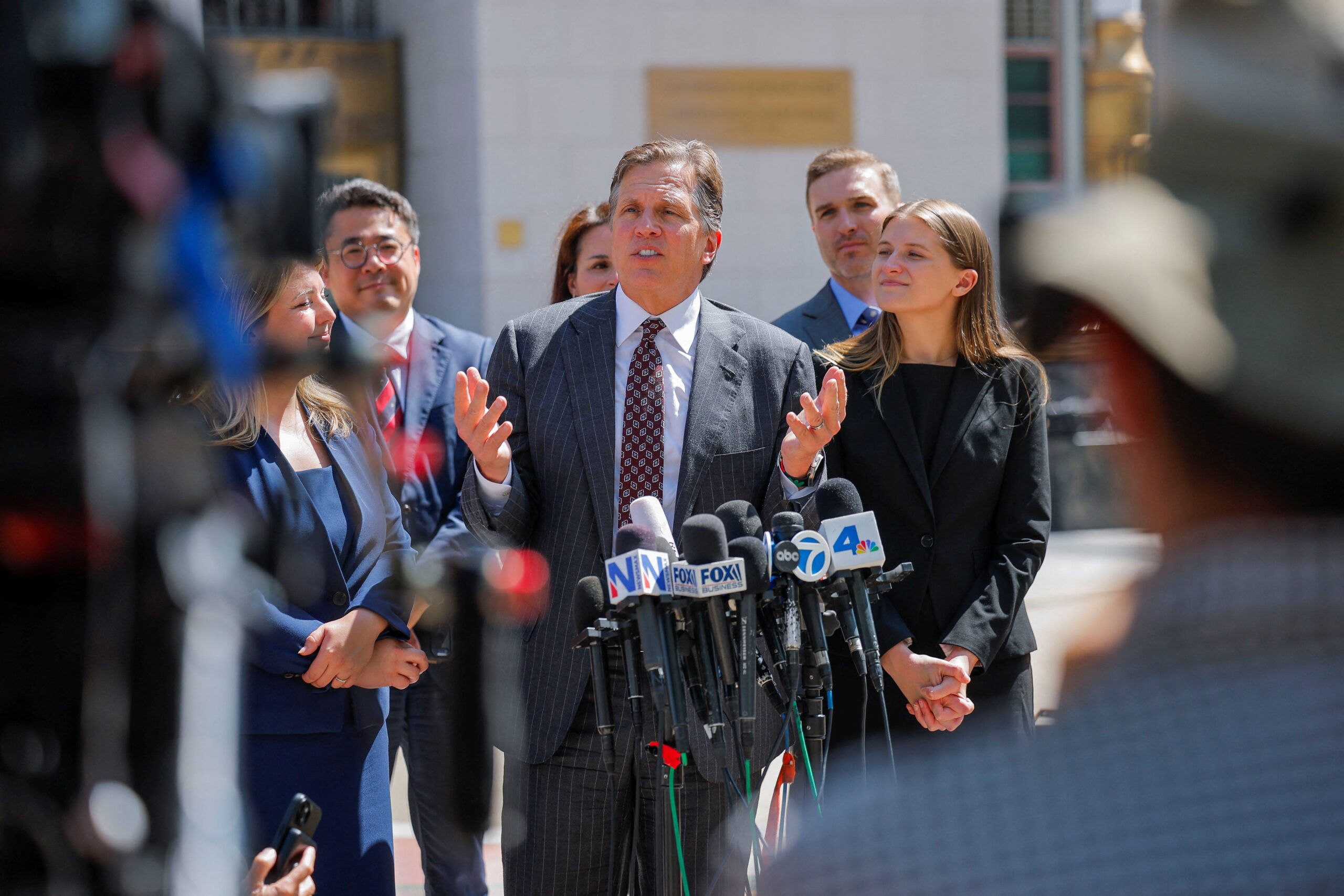

It’s the landmark court decision some are calling Big Tech’s “tobacco industry moment”: a verdict that — just like the misrepresentation that cigarettes are safe — indicates social media companies may have a lot to answer for to the public.
On March 25, social media giant Meta (Facebook, Instagram, WhatsApp, Messenger, Threads, and more) and video streaming service YouTube (owned by Google) were found liable for negligence owing to design features of their products. A Los Angeles jury concluded they are intentionally addictive and led to mental distress for K.G.M., the 20-year-old woman at the center of the case.
Meta must pay $4.2 million, while YouTube must pay $1.8 million, for a combined total of $6 million. Both companies signaled their intent to appeal the verdict.
Popular apps TikTok and Snapchat — named in the same suit — earlier settled out of court.
Meanwhile, OpenAI — an artificial intelligence research company offering services such as ChatGPT — faces copyright and data privacy litigation, with billions of dollars in potential damages and milestone implications for AI data handling.
The Meta and YouTube suit alleged features such as auto-scrolling addicted the plaintiff to the platforms, leading to anxiety, depression and body image issues — assertions parents and researchers have been making for years, previously to no avail.
An appeal is expected, but given the gargantuan assets of Meta and Alphabet (the parent company of Google) — $108.72 billion and $206.04 billion, respectively, for the fiscal quarter ending in December 2025 — will even an avalanche of court victories really make a difference?
Clare Morell, a fellow at the Ethics and Public Policy Center in Washington and author of “The Tech Exit: A Practical Guide to Freeing Kids and Teens from Smartphones,” told OSV News she believes “it’s a tremendous victory.”
“Because this is just a first case — this is a bellwether trial for just one individual plaintiff, and there are almost 3,000 other cases pending in the state of California alone,” said Morell.
“You have to look at that $6 million awarded in this trial, and just multiply it,” she added. “Because if this case went this way — the likelihood, then, of the companies settling these other cases before going to trial is very high.”
And more suits are on the horizon.
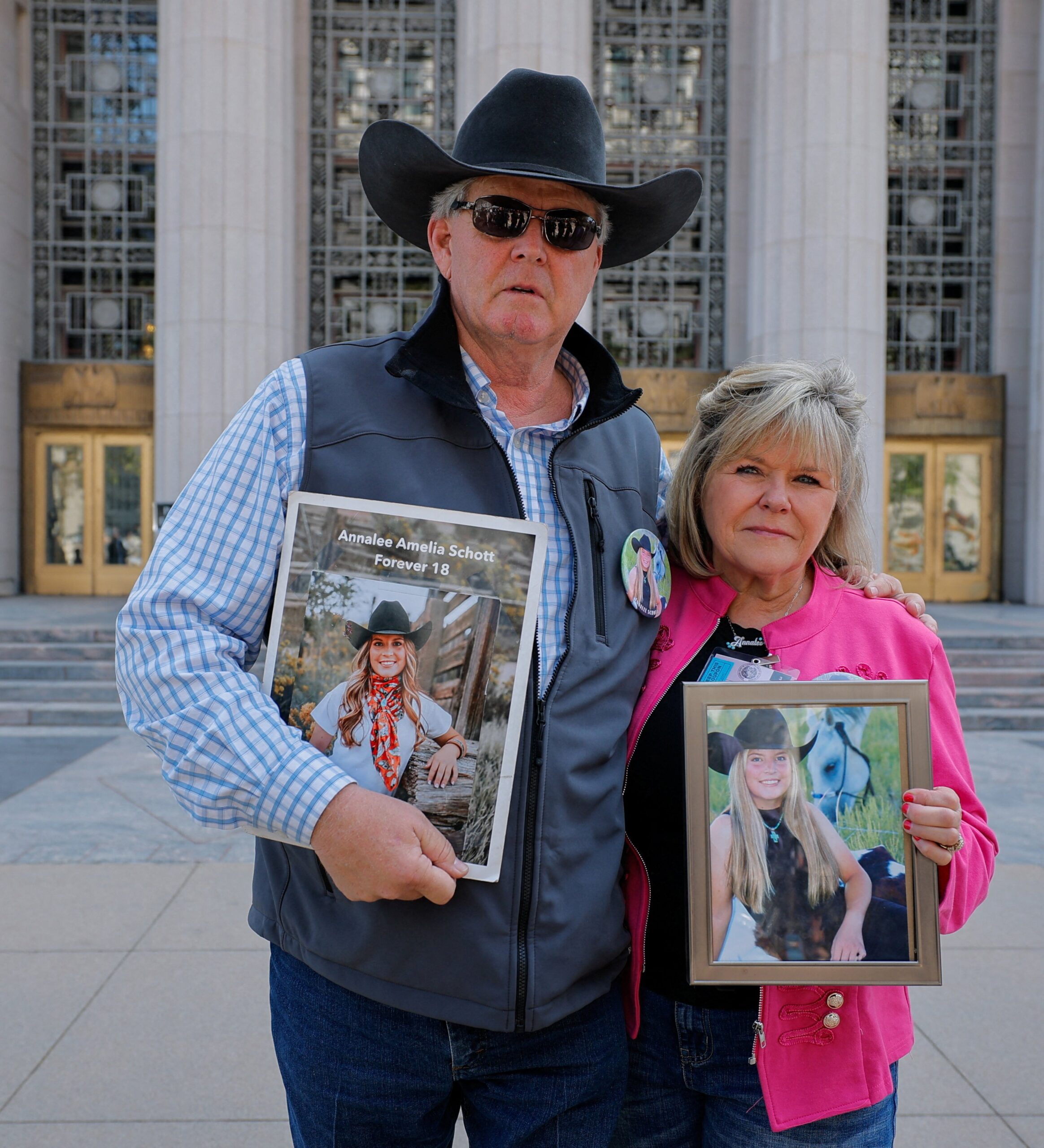
“There’s a big multidistrict litigation case pending as well — it’s supposed to go to trial this summer — by 40 state attorneys general,” Morell noted.
She added that Congress hasn’t passed a law to protect children online for almost three decades; furthermore, the Children’s Online Privacy Protection Act of 1998 was enacted well before the advent of social media.
“A lot of these cases were dismissed because of Section 230, which says companies can’t be held liable for harm from third party content they host,” explained Morell.
Section 230 — a component of the Communications Act of 1934 after its amendment by the Communications Decency Act of 1996 — gives limited federal immunity to providers and users of interactive computer services.
“This case really took a novel approach,” Morell observed. “They did not make it at all about the content; they made it just about the design features. … I think it does indicate that now the industry really does have to pay attention — that their massive immunity shield of Section 230 has a kind of critical hole pierced in it.”
However, Sister Helena Raphael Burns — a Daughter of St. Paul who holds a graduate degree in media literacy education, studied screenwriting at UCLA and can herself be found on the social media platform X, expressed skepticism regarding the verdict’s impact.
“I don’t think it will do much good in the long run,” she told OSV News.
“It’s too little too late: a feeble kind of virtue signaling that we really do care about our youth,” Sister Helena said. “I think most people know that a startling number of youth — down to the youngest toddlers — are screen-addicted, and to hold Big Tech responsible continues to shift the responsibility off of where it belongs: the parents and the home.”
“There is nothing more precious than the minds, imaginations, hearts, willpower, formation, experiences, healthy development, habits, tastes, pastimes and very souls of our children,” she declared. “And often very little attention is given to their spiritual care, and all the focus is on the physical — which is only for this life, and doesn’t determine character.”
Sister Helena, who has analyzed, written and given workshops on the topic of social media addiction for close to two decades, had an illustration. She said that when she speaks with teens about good use of social media, she asks them: “‘Do you think God intended that at some point in history, we’d all be walking around with little computers in our hands, staring at them 24/7?'”
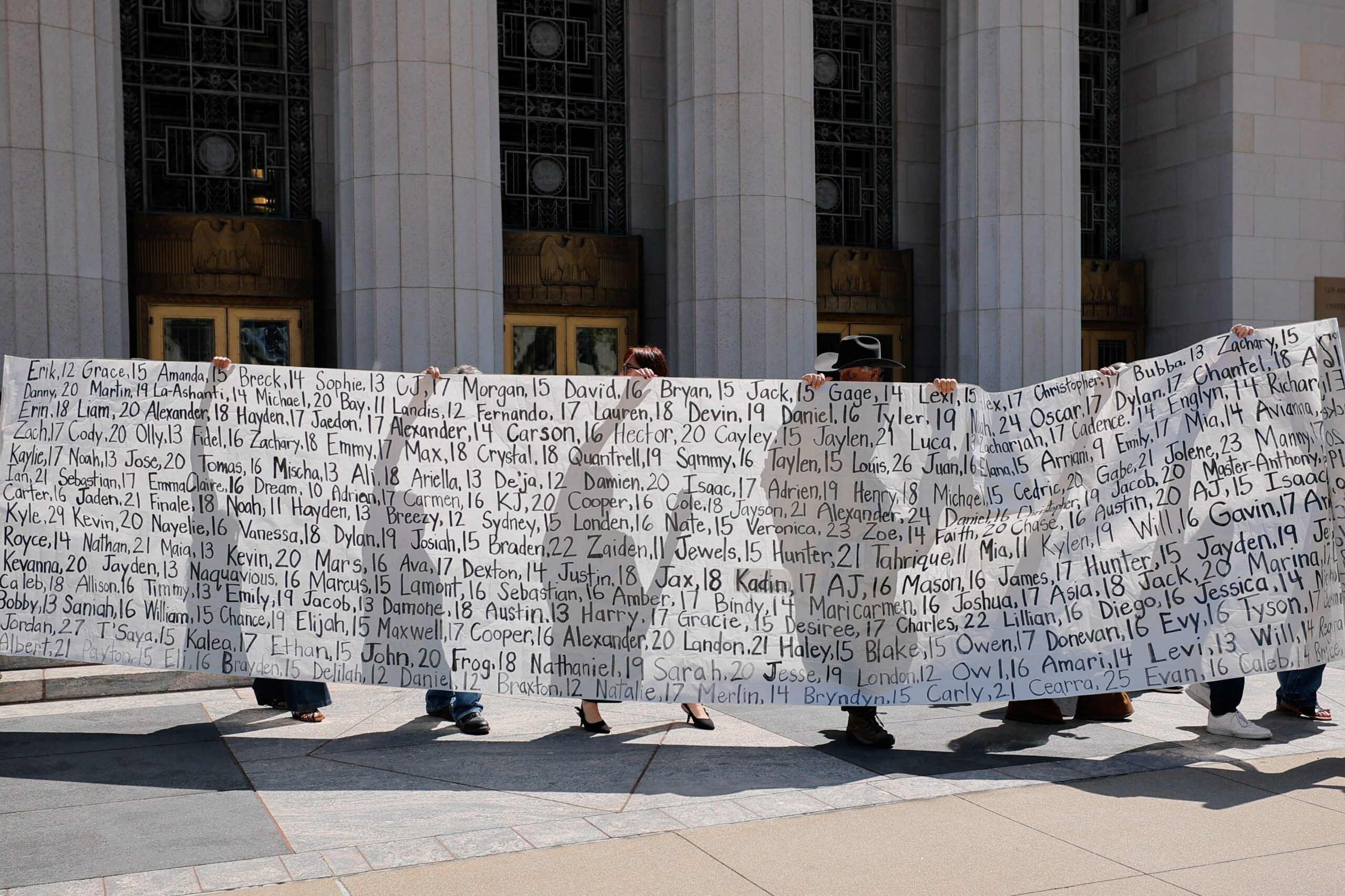
“They always answer with a resounding ‘No,'” she told OSV News. “Then why are we, and why do we let our children?”
Morell, however, cautioned against putting the onus for children’s social media habits entirely on parents, because they are also dealing with situations completely out of their hands.
“You as a parent could do everything you possibly can to keep your kid off social media,” she suggested. “But if they borrow a friend’s phone or get on a computer, they can make an account really anywhere, instantly — without any parental involvement.”
Morell said she suspects the shift in public opinion with this initial verdict “may compel” Big Tech to make more changes to their products: “Because social media doesn’t have to be addictive.”
Mary Graw Leary, a professor at The Catholic University of America Columbus School of Law, agreed there may now be some degree of change.
“The strategy of these platforms — and tech in general — has been to prevent getting to discovery,” she said. Discovery is the formal, court-authorized, pre-trial process where lawsuit parties exchange information, evidence and witness lists.
“To prevent, so as to win at a motion to dismiss,” Leary said. “And once they lost that, what we thought was going to happen, happened. All of a sudden, there are all these internal documents that tell the world and tell the jury that they have known how bad their products are, and have proceeded anyway.”
Leary echoed Morell’s call that Congress should act.
“Congress,” she advised, “really should follow the example of many of the states, who have said, ‘Well, we are watching the bodies pile up. So we are going to take action.'”
However, she added, “Congress is not.”
And if Congress is not, said Leary, they need to hear from their constituents.
“As engaged Catholics in public life, we should think about what is pro-life; what is honoring the dignity of people,” she suggested. “And it is clearly not supporting a world in which these companies — through their money — can continue to exploit our children.”
Leary noted that from a Catholic perspective, the harm of social media addiction is disproportionately impacting the most vulnerable in society: children.
“When people are evaluating policymakers in the country — as well as business leaders and civic leaders — they should consider: Are they willing to sacrifice our children for money?” she asked. “And if they are, that is not a culture of life. People should let their representatives know they want legislation — they want this to stop.”