


For many of the women and families who arrive at Bethany House, the road that leads them there is marked by hardship, fear and exhaustion.
Some come fleeing domestic violence. Others arrive after losing stable housing, struggling through a financial crisis or trying to rebuild their lives after incarceration. Nearly all of them come in with the same question: Is there anywhere left to turn?
What they find when they walk through the doors of Bethany House, a Diocese of Wilmington Catholic Charities ministry, is something many have not felt in a very long time. Safety.
“I feel safe,” said Cassandra Van Cleve, known by friends as Casey, during a recent visit. Her voice was quiet but steady. “This is the first time I’ve felt safe in my entire life.”
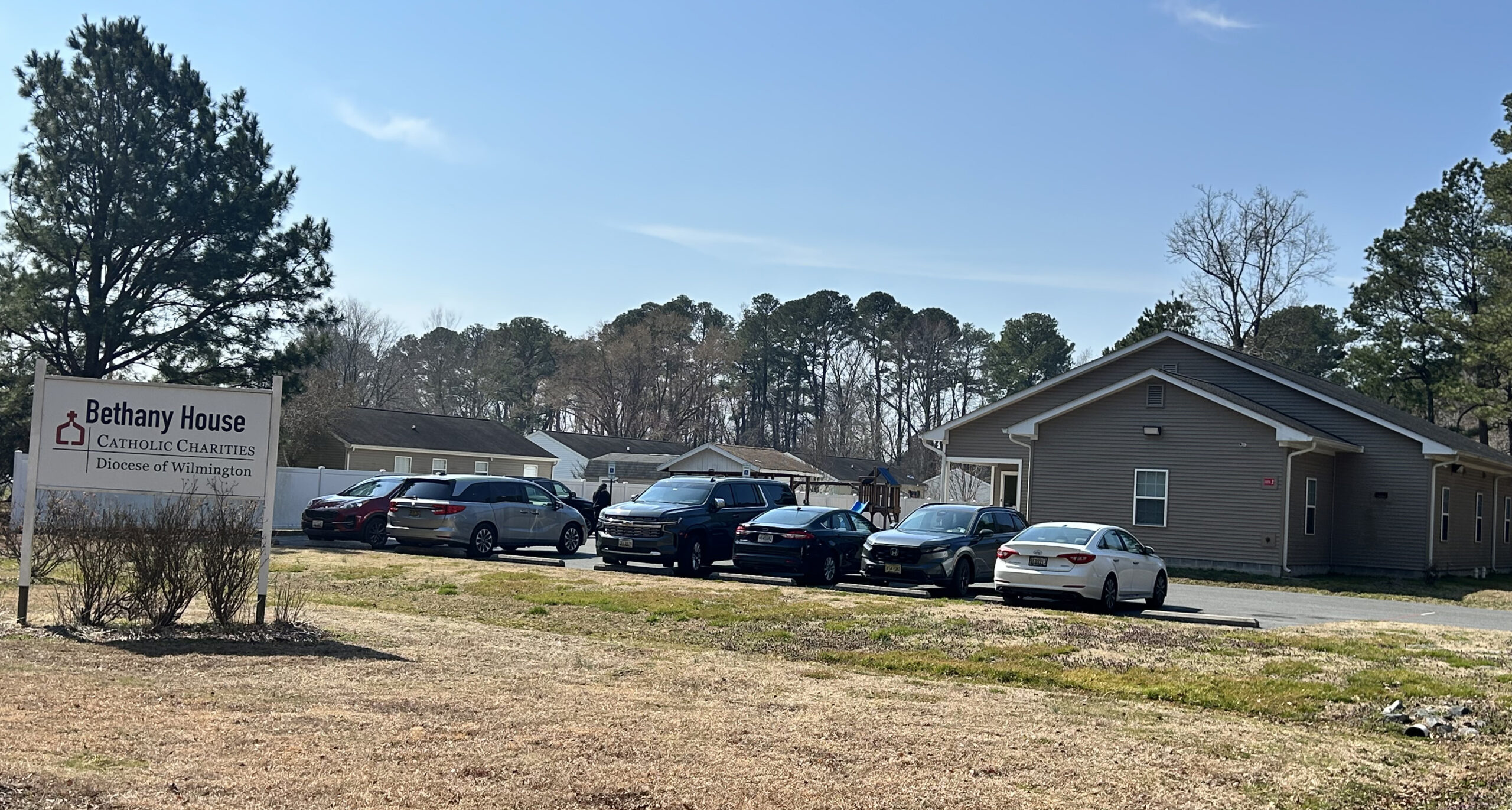
An open door, Bethany House provides temporary housing and supportive services for individuals and families experiencing homelessness in Somerset County. But for the residents who arrive there, the program offers something deeper than shelter. It offers the chance to begin again.
Bethany House also maintains clear standards to ensure a safe and supportive environment for everyone who lives and works there. As a licensed residential program, all residents, guests, volunteers and staff undergo extensive background screening to rule out a history of violent crimes, helping to ensure that families rebuilding their lives can do so in a secure and stable setting.
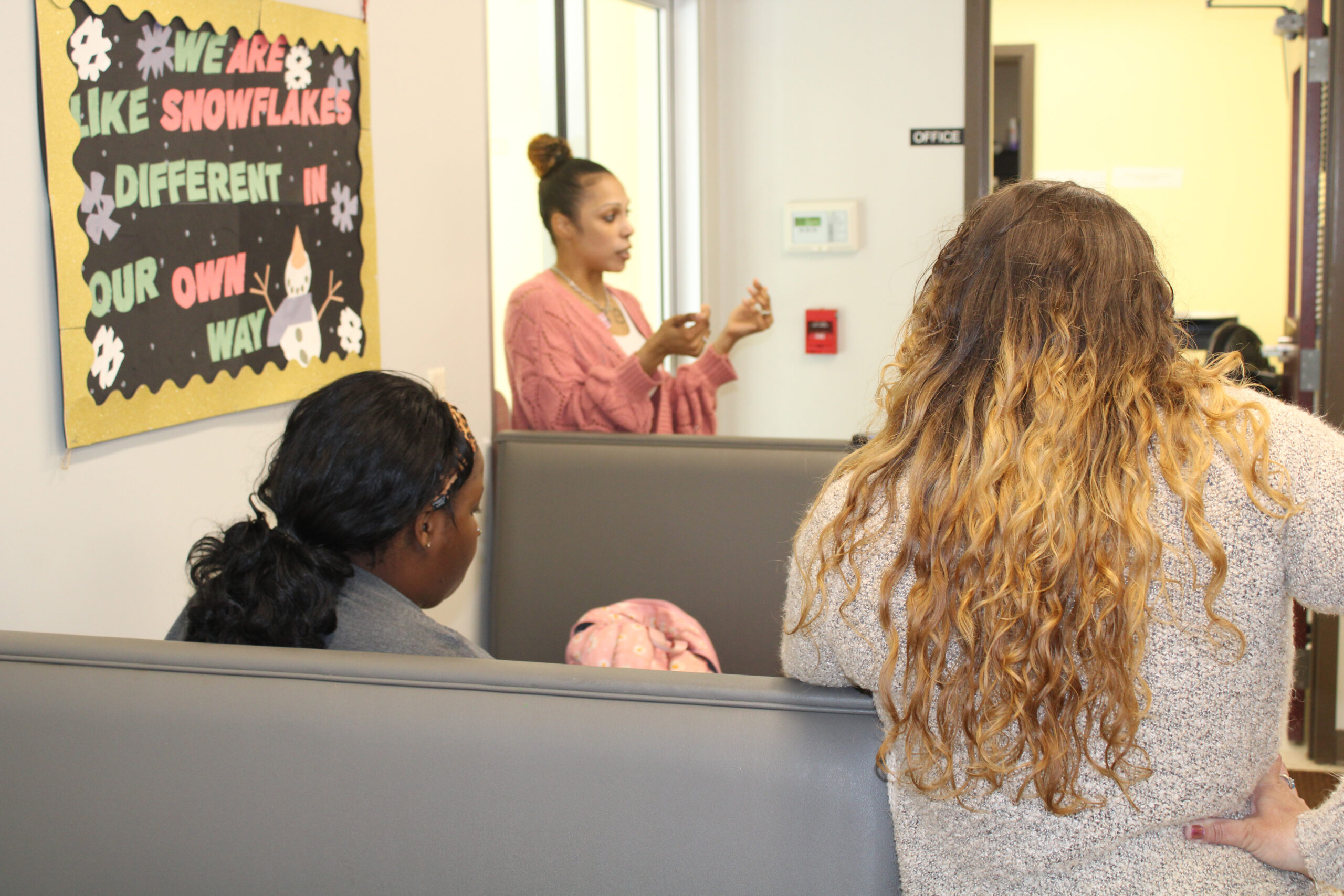
Case managers help residents develop personal goals and connect with resources that lead to independence, including employment assistance, education, counseling, parenting support and housing placement.
For Jessica “Jesse” Gray, a mother of four children currently living at Bethany House, the journey to the shelter followed decades of hardship. After enduring a 20-year abusive marriage, she made the courageous decision to leave and start over, not just for herself, but for her children.
“I’m here with four kids,” she said. “The first thing I wanted was a chance to rebuild.”
At Bethany House, that rebuilding process begins with something simple but powerful: hope.
“You set the goals,” Gray explained. “And then they help you find the resources.”
One of her first goals was returning to school after being pulled out years earlier by her father.
“I’m going back to get my diploma,” she said with pride. For the first time in years, she can imagine a future that looks different.
For Jaiya Crosell, a mother of a five-year-old daughter, the situation had become desperate before she arrived. After losing stable housing, the two briefly lived in their car.
“If this place wasn’t here,” she said quietly, “I would probably still be in my car with my daughter.”
Today, Crosell is working with Bethany House Case Manager, Paige Rodgriguez-Harris, to secure employment and permanent housing.
“Paige has been helping me with everything,” she said. “She’s helping me find better work and helping me move toward my own place.”
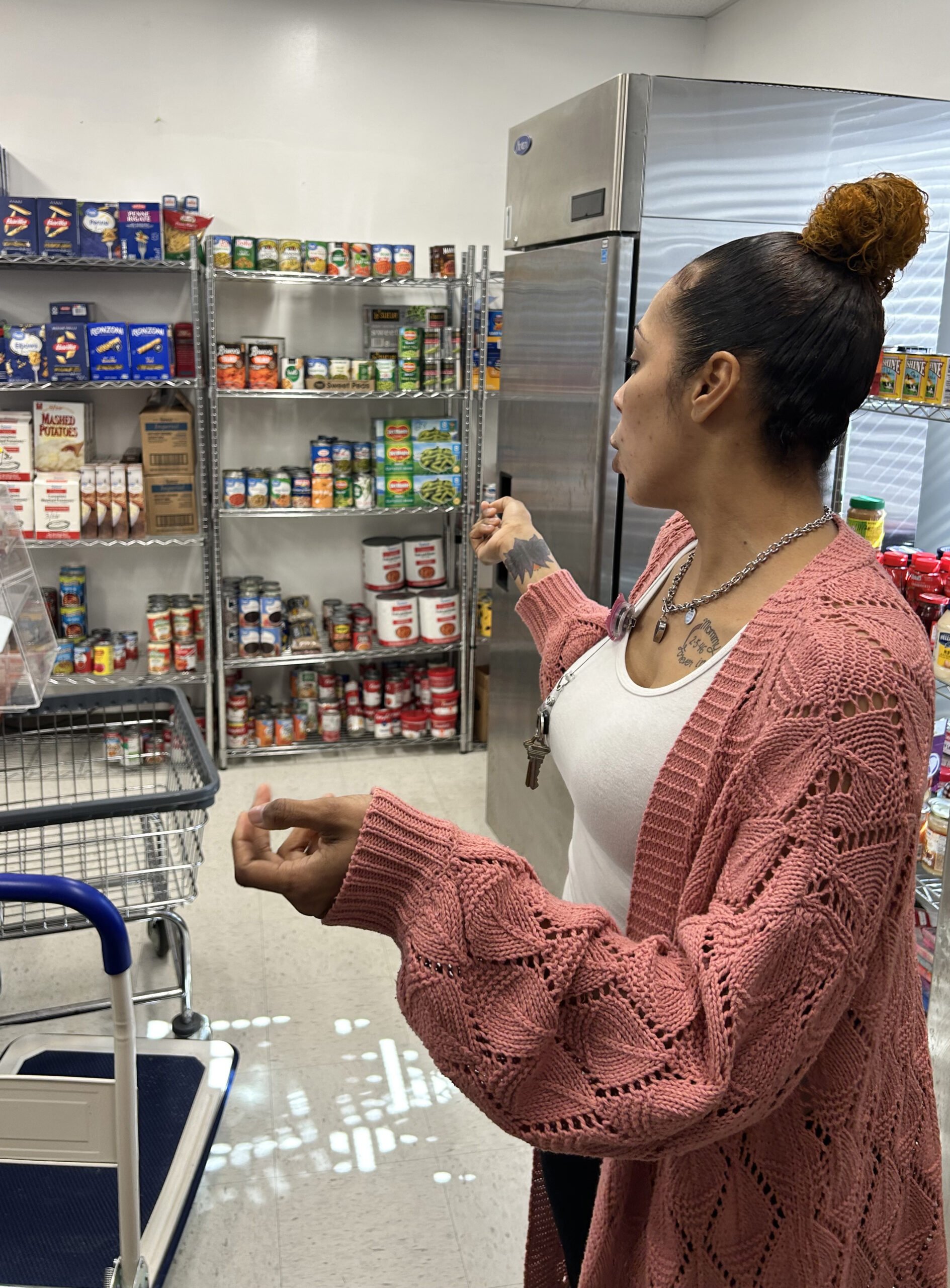
At Bethany House, families receive three meals a day, help coordinating childcare and schooling, and access to essential resources through community partners like the Seton Center, another Catholic Charities ministry.
But residents often say the most transformative part of the program isn’t the services. It’s the structure and support.
“The rules here actually help me be a better parent,” one mother shared. “There are set times for meals and snacks. That structure helps my kids, and it helps me.”
Beyond the programs and services, residents say Bethany House offers something many of them have rarely experienced: belonging.
“I feel welcomed,” Crosell said. “Like family. The staff here really care.”
For Van Cleve, the sense of community has been deeply motivating.
“I see the women around me working harder than anybody,” she said. “The staff is working just as hard to help us succeed. How can that not inspire you to want a better life?”
That inspiration is reflected in the many success stories emerging from the program. Since the beginning of this year alone, several residents have successfully transitioned into independent housing.
One woman who arrived with two children and no income left the program with a job, a vehicle and a permanent home.
Another resident, initially unable to secure housing due to a criminal record, eventually found an apartment through Catholic Charities’ partnerships with local property managers and was later promoted to a managerial role at work.
Each success represents more than stability. It is dignity restored.
Sometimes the obstacles residents face are invisible. Past legal charges, even minor ones, can make it nearly impossible to secure employment or housing. To address this barrier, Bethany House recently partnered with Shore Legal to host an expungement clinic at the shelter.
Rodriguez-Harris helped bring the service to the shelter, ensuring residents could access legal support. “We brought the resources here,” she said. “Many of our residents cannot easily travel to legal clinics, so we asked Shore Legal if they could come to us.”
During the clinic, one resident cleared 10 prior charges from his record; minor, non-violent offenses such as trespassing and nuisance violations that had followed him for years.
“They might seem small,” Rodriguez-Harris said, “but they stay on your record forever unless they’re expunged.” The impact was immediate.
“Once the process started and his record was cleared, he was able to get a job,” she said. “And we could begin looking for permanent housing.” In a single day, the future began to open again.
Community partnerships also play an important role in helping residents rebuild their lives. Through a collaboration with the University of Maryland Eastern Shore, volunteers have helped residents create community gardens; spaces where families can grow food, learn new skills and find healing outdoors.
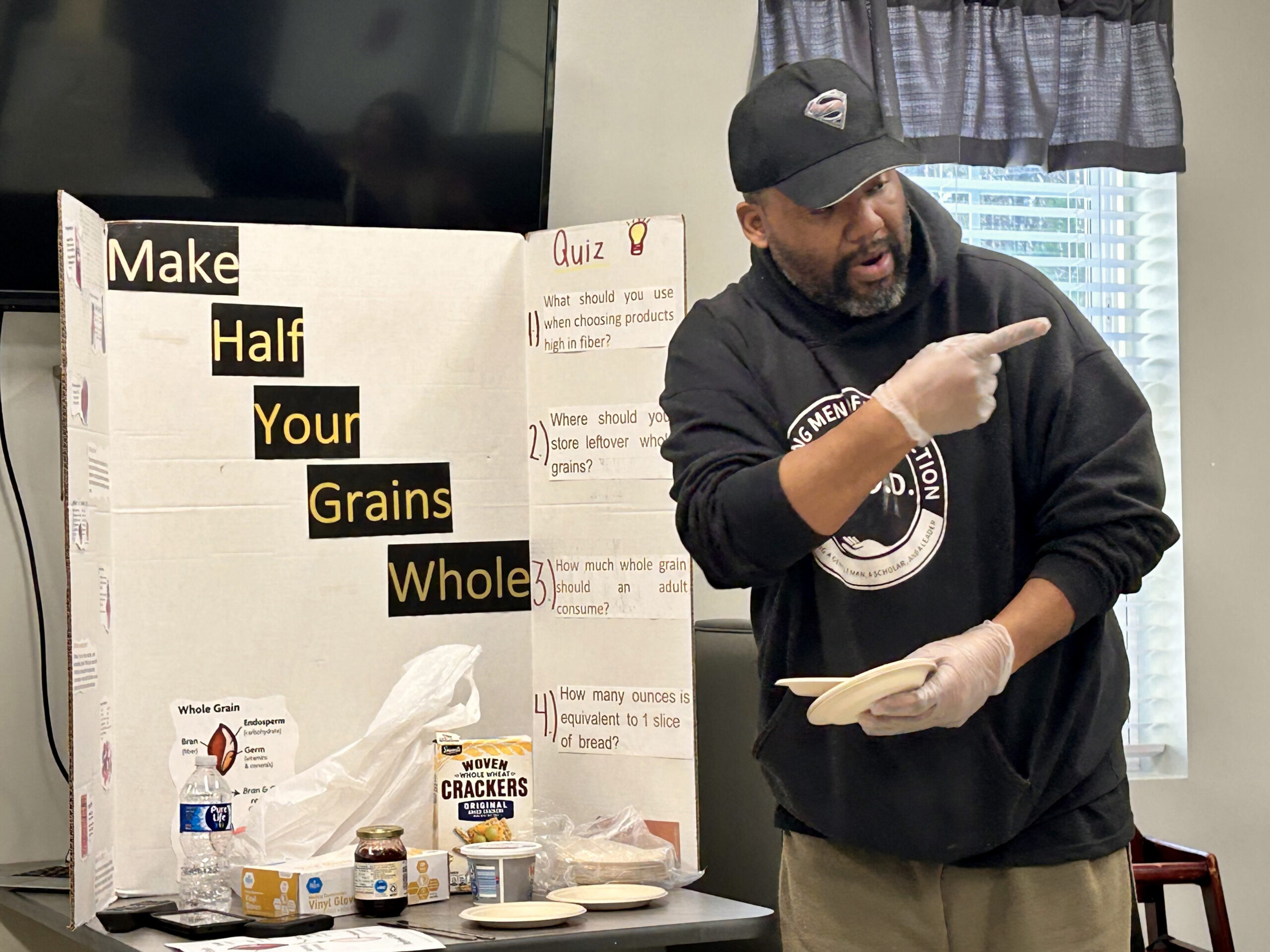
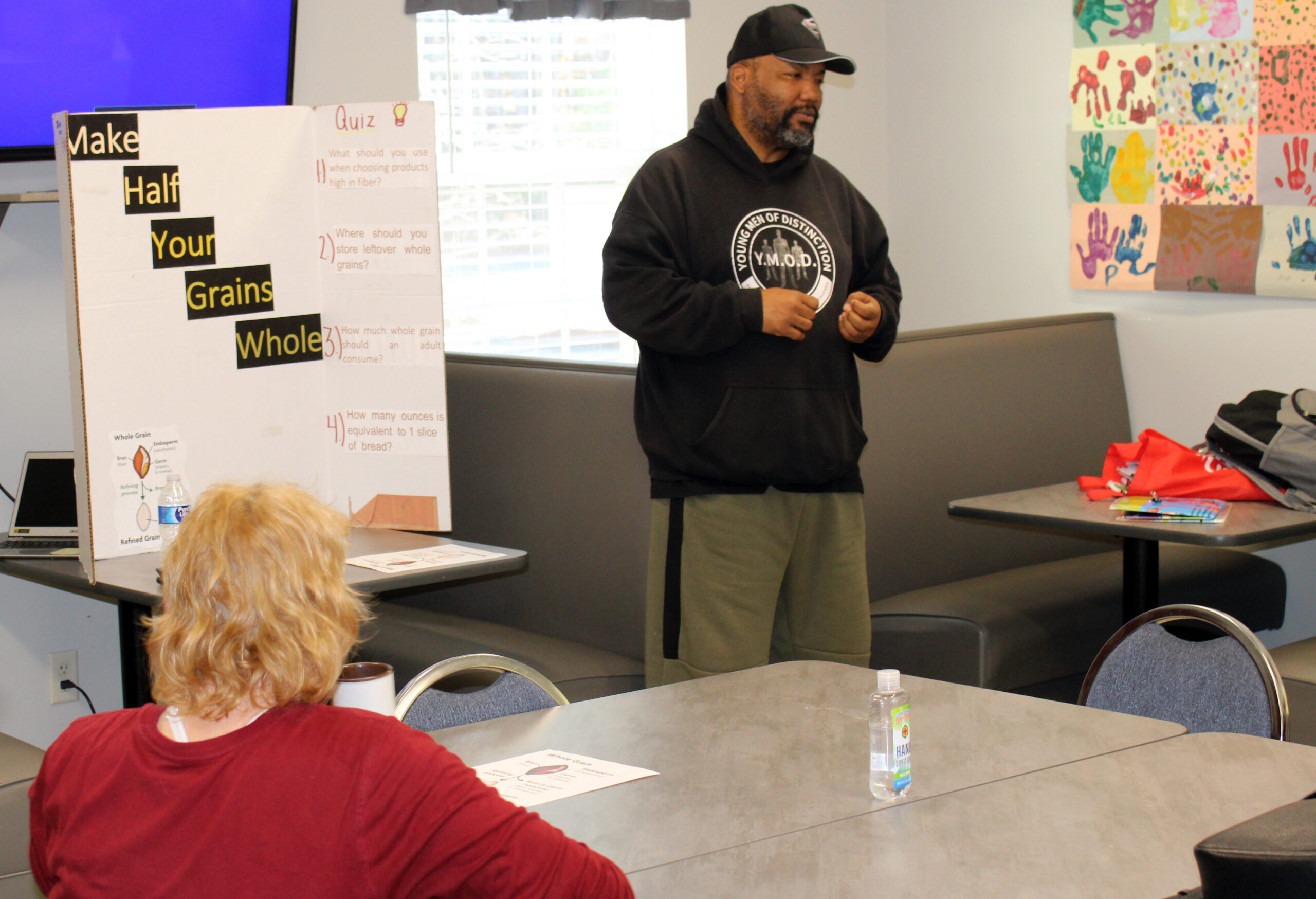
During a recent visit, McCoy Curtis of UMES was also leading an interactive nutrition class for residents. The session offered practical guidance on healthy eating, along with simple snack ideas that were both nutritious and affordable. Residents gathered around as McCoy demonstrated how to make cheesecake bites served on whole-grain crackers, a snack that quickly became a favorite. The class was filled with conversation, laughter, and curiosity as residents asked questions and sampled the treats, turning the lesson into both a learning experience and a moment of community.
“Homelessness is not hopelessness,” Curtis said. “This is a place for a reset.”
For residents who have endured years of instability, even simple activities like gardening or learning new life skills can restore a sense of normalcy and purpose.
For the staff of Bethany House, the work is deeply personal. Every day, they witness how compassion and generosity from supporters can transform lives.
When asked what message she would share with those who support Catholic Charities, Rodriguez-Harris offered a simple but powerful reminder.
“Don’t judge a book by its cover,” she said. “Give somebody a chance. And the only way we can give people that chance is through the support we receive, whether that’s financial donations, services or simply someone’s time.”
She says donors often do not realize the impact of their generosity.
“I don’t think people realize how much it means; not just to the staff, but to the guests, when someone makes a donation,” she said. “It truly changes lives.”
Sometimes those life-changing moments come from the smallest gestures.
Haircuts, clean clothing, a warm meal.
“The little things can change someone’s whole outlook,” Rodriguez-Harris said. “Those small things can make a huge difference in a very short amount of time.”
For many residents, the most powerful gift Bethany House offers is the feeling that someone believes in them.
“The staff here are amazing,” Gray said. “They go above and beyond for us.”
When asked what life might look like if Bethany House did not exist, the answers came quickly.
“Very sad,” said Crosell.
“I would have nowhere to go,” Gray added.
For Casey, the answer was deeply personal.
“Twenty-four hours before I got here,” she said softly, “I was on my knees praying that something would come along.”
Something did.
Today, she plans to rebuild her life, step by step, surrounded by people who believe in her future.
“This place gave me a chance to start over,” Jaiya said. “And for my five-year-old daughter,” she added, pausing for a moment, “that means everything.”
Sheila O’Hagan McGirl is director of development for the Diocese of Wilmington.