
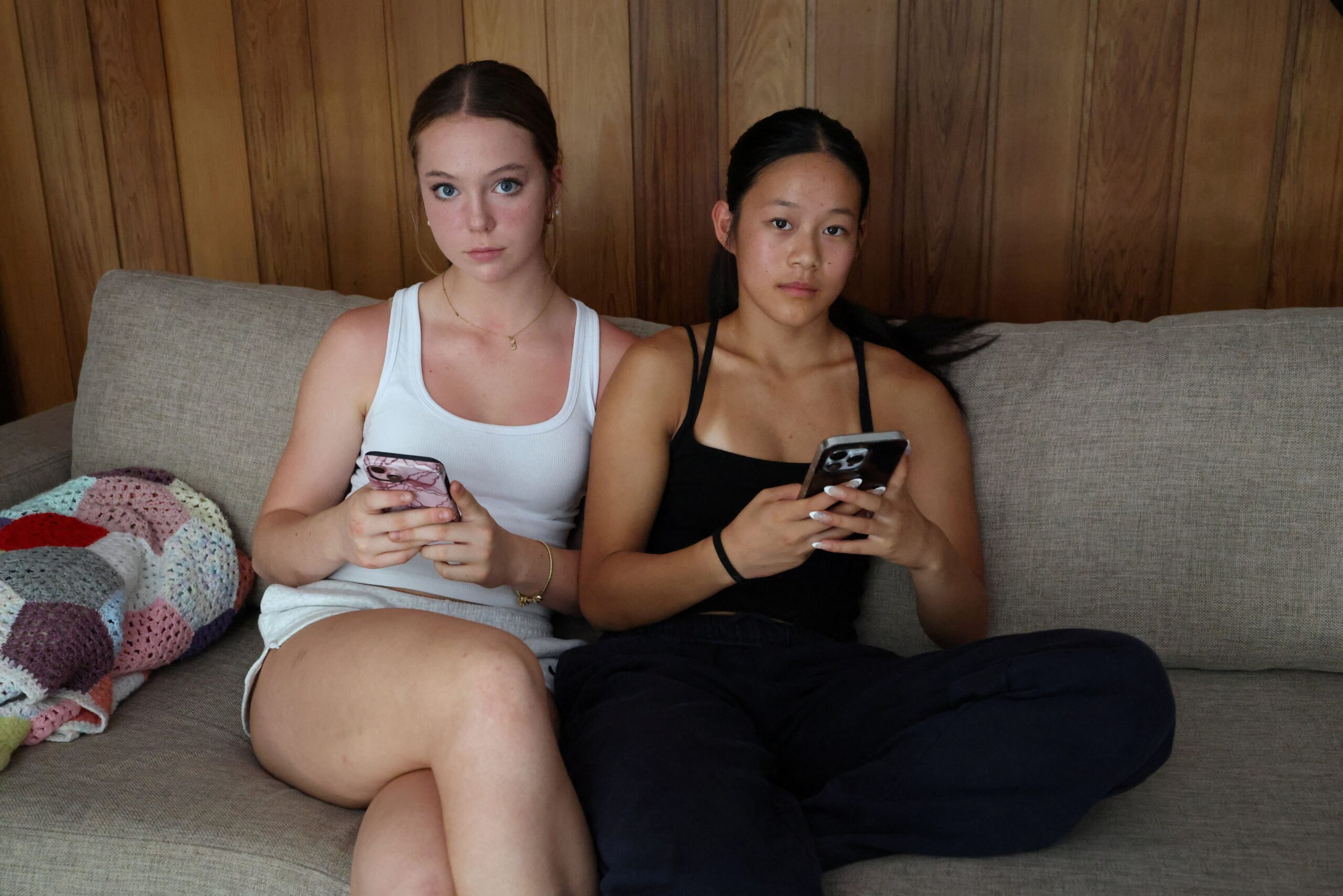



As Australia’s social media ban for children under 16 goes into effect, a digital media expert at the Australian Catholic University emphasized the need for vigilance and education in helping young people navigate the digital space.
In a video interview with OSV News Dec. 11, Kathy Mills, professor of literacies and digital cultures at Australian Catholic University’s Brisbane campus, said the law does “create an awareness that we shouldn’t be letting people onto the internet,” especially young people, “without education or thinking that everything online is going to be positive and a safe experience.”
However, parents and educators also “need to think about how we restructure the broader way that we socialize young people online” through education at home and at school.
“We don’t want to be digital tourists,” Mills told OSV News. “We don’t want to be caught up in echo chambers where we’re just getting fed information that reinforces our beliefs. We do want young people to be empowered online, and that’s really important that they can have the skills and the critical literacy skills to be agents of change and make a difference in their world.”
Passed by the Australian Parliament in November 2024, the Online Safety Amendment (Social Media Minimum Age) Act 2024, came into effect Dec. 10.
The legislation prohibits children under 16 from creating or holding accounts on social media platforms such as Facebook, Instagram, TikTok and Snapchat. It places liability on platforms to verify users’ ages or face fines of up to 49.5 million Australian dollars ($31.6 million).
The new law, however, exempts messaging and gaming services.
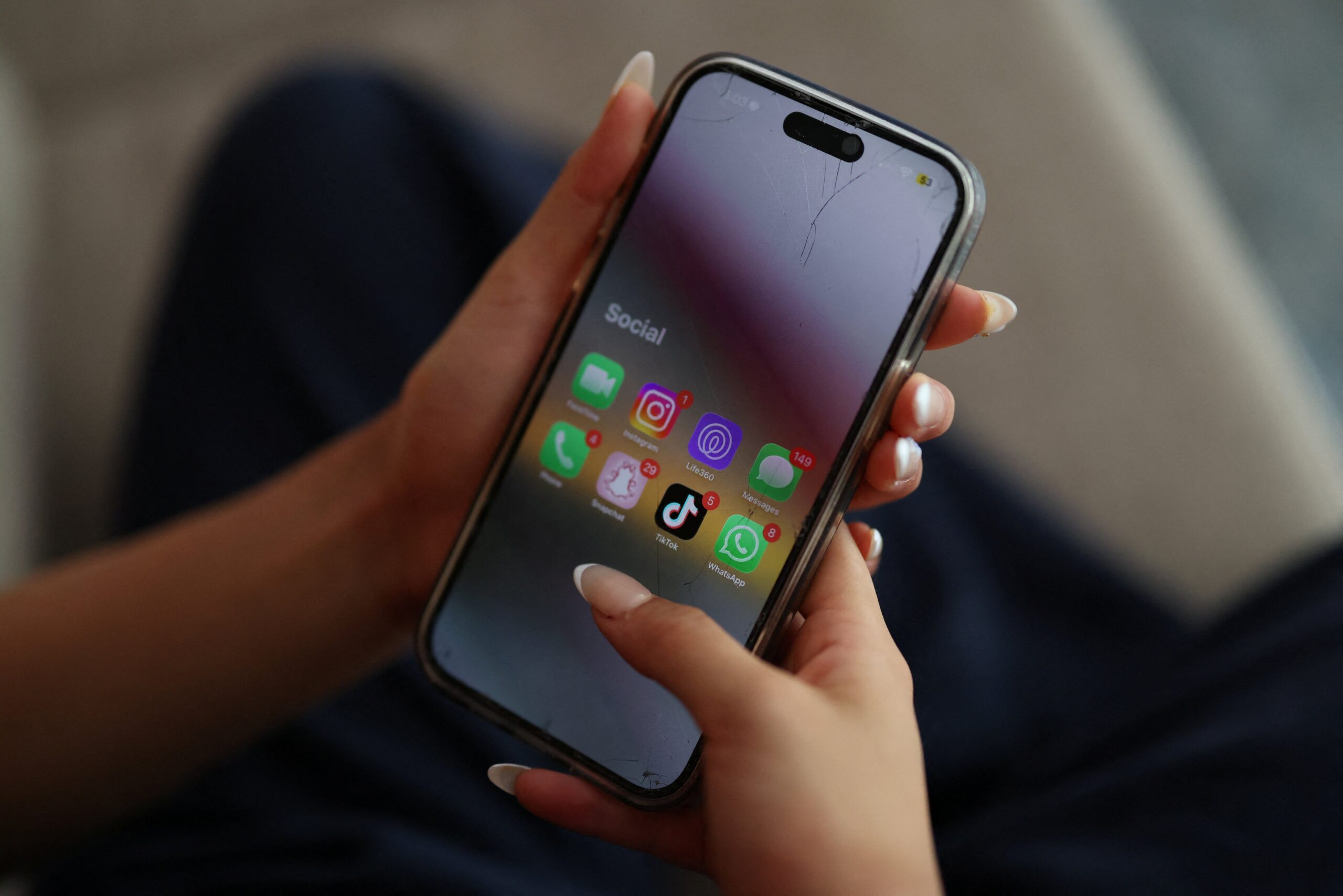
While the legislation is the first of its kind, several countries are considering passing similar legislation over the physical, emotional and mental toll social media can have on children.
In November, the Danish government announced it would ban children under 15 from accessing social media, and the measure could become law by mid-2026, The Associated Press reported.
Both the late Pope Francis and Pope Leo XIV, while praising the advances of communications in the digital space, have also warned of the negative impact social media can have on alienating young people from building genuine connections with others.
“Learn to humanize the digital, building it as a space of fraternity and creativity — not a cage where you lock yourselves in, not an addiction or an escape. Instead of being tourists on the web, be prophets in the digital world,” Pope Leo said Oct. 30 to students in Rome for the Jubilee of the World of Education.
While proponents hailed the new legislation as a much-needed and one that gives children more time for real-world interactions and development, others, such as Amnesty International, have expressed concerns and labeled it “an ineffective quick fix” that fails to protect young people fully and may inadvertently deepen their isolation rather than cure it.
“Many young people will no doubt find ways to avoid the restrictions. A ban simply means they will continue to be exposed to the same harms but in secret, leaving them at even greater risk,” said Damini Satija, program director of Amnesty Tech.
Mills told OSV News that young people are “friendship-driven” and that, while the ban addresses concerns about social media, it serves more as a “delay” than a ban, as young people will “work around it to find new ways to connect.”

Nevertheless, “the delay can create the sense that now there’s this blanket prohibition around these sites and that maybe young people are safe or even safer than they were before,” she noted.
“I think the problem with that is that we need to be really vigilant around teaching kids how to use digital spaces, how to protect themselves online, and how to fact-check. We now have a lot of spaces online beyond social media,” Mills said.
The Australian professor said that dangers, such as AI-based fake images, adult content, and misinformation, can still be searched on sites such as Google, which isn’t banned. Parents and teachers, she added, should not only teach, but also practice “meta-cognitive strategies,” such as keeping a phone out of reach.
“We really still need to be teaching young people about balance, about how to set limits around their phone use and their screen time and providing those structures for young people in their daily lives,” Mills said.
While the ban addresses some concerns, legislation that protects young people from online predators and more substantial consequences for the misuse of private data, coupled with education at home and school, can help them navigate the digital landscape.
“We need safer spaces for everyone through improved regulation,” Mills told OSV News. “We’re always getting new technologies, so those laws need to be updated to address those issues that are surfacing. But we also need education and those things working hand in hand.”