


Baseball season arrives each year just as Catholics experience the promise of the Easter season.
Now, in the early weeks of the long Major League Baseball schedule, that promise is already being tested. Fans are locked in — checking box scores, riding early streaks and already bemoaning inevitable slumps.
Hope is no longer theoretical. It’s in motion.


In that sense, the rhythms of baseball and the rhythms of faith don’t seem so different.
As the late player-manager Leo Durocher once said, “Baseball is like church. Many attend, few understand.” In early April, that feels especially true.
The games now count. The standings are real. But the meaning of this moment — like Easter itself — was shaped weeks earlier, in a quieter, more reflective time.
Before the first official pitch launched the 162-game grind, thousands of fans traveled through spring training sites in Florida and Arizona, watching their teams begin again. It’s a softer version of the sport — sunlight, access, optimism — yet it carries something deeper. Like Lent, it is a period of preparation, reflection and anticipation before something more consequential begins.
There is nothing quite like spring training. Under warm skies, fans drift from field to field, clad in team gear, surrounded by the easy hope of a fresh start. Souvenir shops overflow with new hats and jerseys — small declarations of belief before belief is tested.
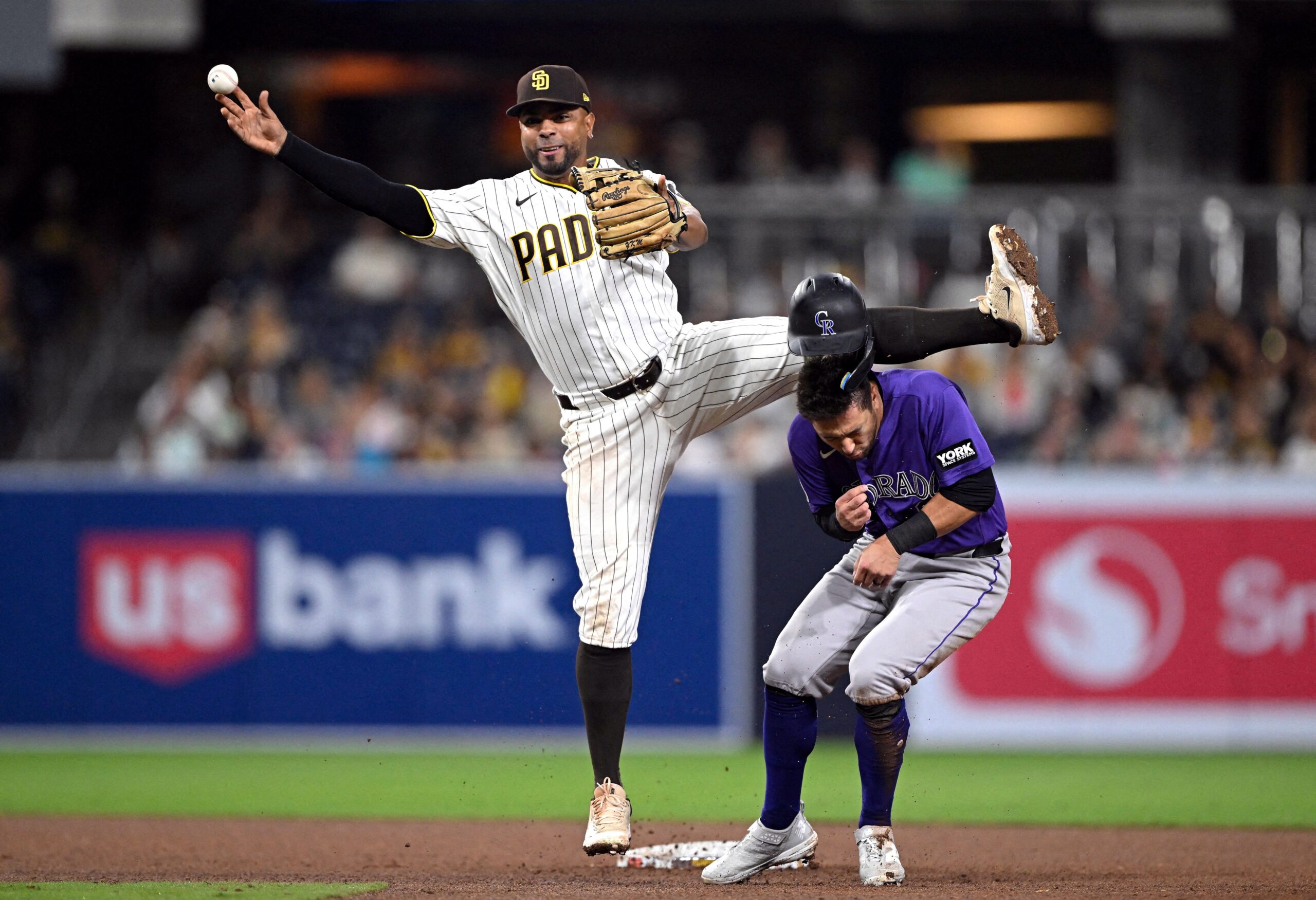
And belief, in many ways, is what carries into these opening weeks of the season.
For many — particularly those grounded in Catholic tradition — spring training and Easter mirror something spiritual: a return, a resetting, a chance to forgive what came before.
“In my many years of attending Catholic school, I came to view Easter as a season of hope and renewal,” John Farley, 57, told OSV News while he was attending a game with a lifelong friend at BayCare Ballpark in Clearwater, Florida, spring training home of the Philadelphia Phillies.
“Maybe that’s what makes spring training so appealing. It’s a time to forgive past seasons of brutal losses and shattered hopes.”
A native of Philadelphia, Farley knows heartbreak well. Joe Carter’s walk-off home run that clinched Toronto the 1993 World Series still lingers — a moment of utter joy for Blue Jays fans and sheer devastation for Phillies zealots.
That emotional whiplash is part of the game’s DNA, and it doesn’t take long to resurface. Even now, barely into the season, fans carry the weight of what came before.
Blue Jays fans, for instance, are still processing last year’s World Series, when the Los Angeles Dodgers, down to their final outs, tied Game 7 with a late home run before winning in 11 innings.
Just ask Mike Campbell, 60, who grew up near Toronto before moving to St. Louis.
Watching a spring training game at TD Ballpark in Dunedin, Florida, spring training home of the Toronto Blue Jays, Campbell — a Catholic convert who received his sacraments in 2013 — admitted he needed time to recover.
“Just like when I couldn’t believe how great baseball could be when we won it so dramatically in 1993,” Campbell told OSV News, “I was viciously reminded what Phillies fans must have felt.”
Asked how that swing connects to faith, Campbell paused before answering.
“Gratitude,” he said. “Baseball really is a sport about being thankful. These players are in their physical prime. They do things 99% of people can only dream about. They have money, fame and the experience of winning.
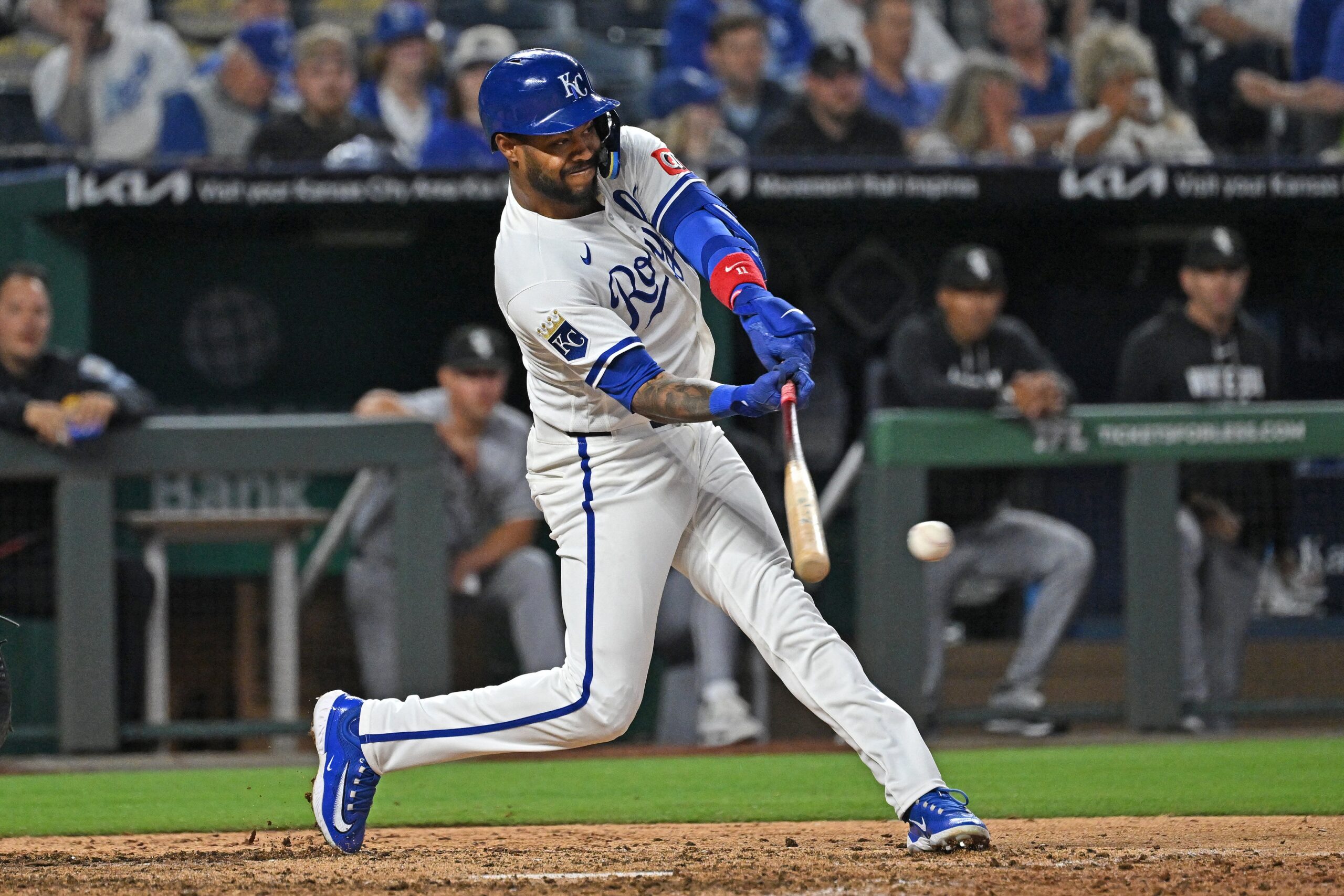
“But then it goes away, like everything. Their bodies wear down. Their strength fades. Then the real challenge begins — are they grateful, or do they grow bitter? Can they accept the defeats?” he said. “Maybe fans are similar, now that I think about it.”
That balance — between expectation and patience — defines these early days. The season has begun, but like Easter after Lent, it is still becoming.
At LECOM Park in Bradenton, Florida, spring training home of the Pittsburgh Pirates, Sarah Thomas stood in a Yankees cap and Mets jersey — a divided New York loyalty reflecting years of emotional investment. The 43-year-old mother of four laughed while admitting she has unleashed “hundreds” of diatribes at players who failed in big moments.
“I live and die with them,” she told OSV News. “Mostly die.”
She tries to rein it in, though not always successfully. There are seasons when she walks away completely, when frustration outweighs joy.
But like Easter after Lent, baseball offers another return.
“It’s like the prodigal son,” Thomas said. “By October, I’m angry. I pack everything away and want nothing to do with baseball. But by February, I soften. And in March, I come back. It’s like I’m walking back to the Yankees and Mets with my tail between my legs, asking for forgiveness for my overall lousy attitude.”
It’s a familiar cycle. Fans drift away, swear they’re done, and return anyway.
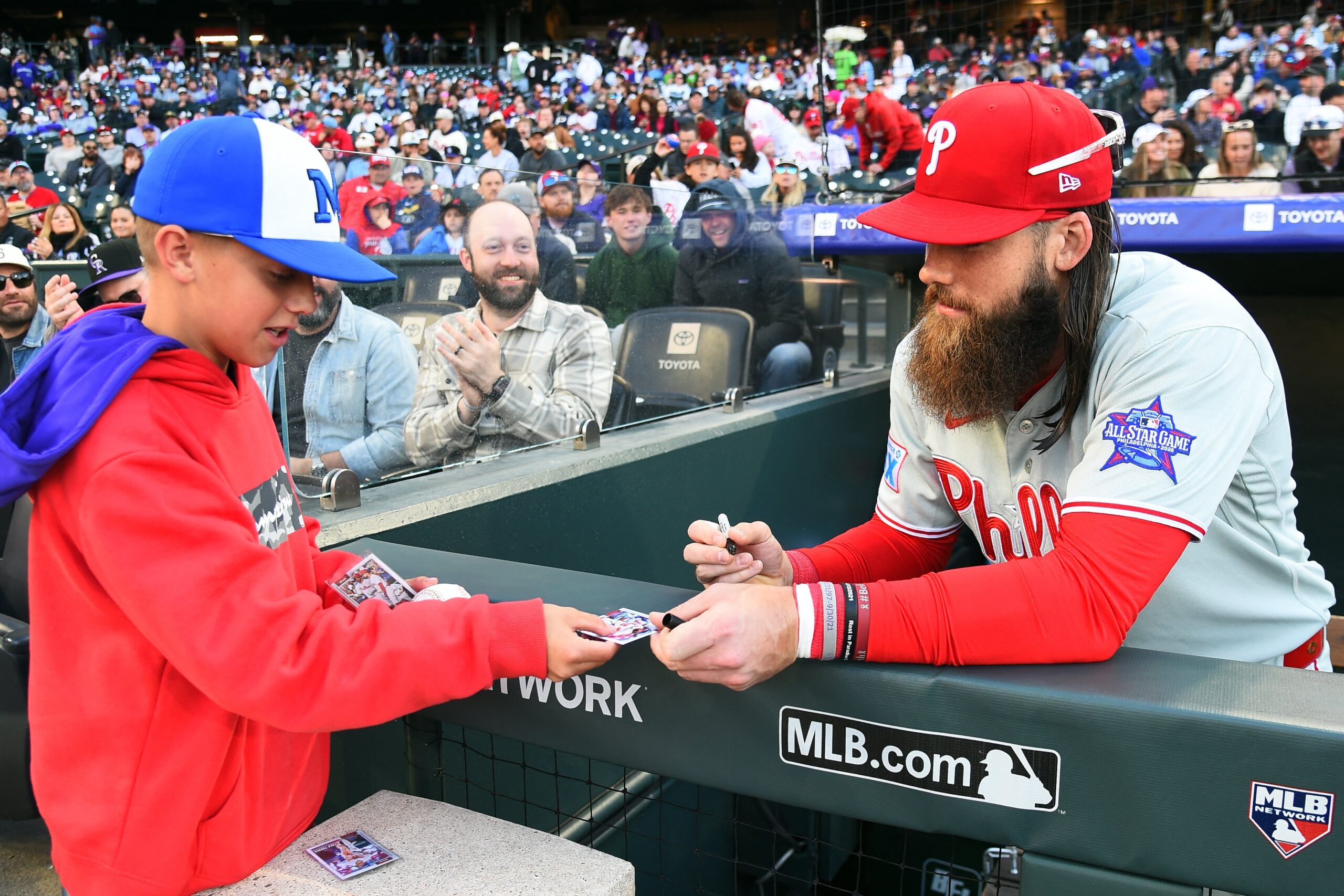
“Maybe the sacrament of reconciliation extends beyond church,” Thomas said. “But tying my love-hate relationship with baseball into it, it feels similar. When I met some players and got autographs, I told them I’m both a great and a lousy fan. They just laughed and said, ‘It’s all good. Just keep coming back. Just keep the faith.'”
And maybe that’s the quiet truth of baseball, especially now, in these first uncertain days of a new season. Beneath the early standings and small sample sizes, beyond the hope of a winning year, it offers something enduring.
The chance to begin again.