





It’s the stroke of noon at the stately, stand-alone house at the corner of Broad and Mulberry in the town of Milton in Kent County, Delaware.
Joe and Jim and other residents stream through the door ready for lunch.
They’re home, at least for now.


Home is Casa San Francisco, a sparkling clean place for the homeless run by Catholic Charities in the Diocese of Wilmington. Started in 1981 by Franciscan nuns, Casa was geared to assist mostly Hispanic migrants who came to Milton seeking work in the primarily rural setting.
“We deal mostly with the chronic homeless,” said staff member Dion Murphy. “We take anybody.”
Needs change all the time and this summer has proven to be a time when many people are struggling, some because of recent developments, others that often find themselves in desperate straits no matter the current economic climate.
Contributing factors that almost never go away are unemployment, mental and physical illnesses, various psychiatric diagnoses that have been treated or not treated.
“When they arrive here, they are out of their meds, so we help them to refill their prescriptions, hook them up with a provider to do that,” said Gary Belkot, property manager at the facility. “An increasing number of our residents are older, in their 60s and 70s.”
The programs provided are for people who are residents for 30- to 90-days during which time they get case management services and other help.
“What that looks like is making a surgical strike into the life of that person right now,” Belkot said. “If they come here and they might need psych meds, we can do that. That’s the first step to stability. If they need a driver’s license, help getting on Medicaid, Medicare, disability, we help with that.”
Some have drug or alcohol problems and need rehabilitation. The facility employees help with job resources, discounted bus passes and try to help with their most presenting need at the time.
“We’re a low barrier shelter regardless of their condition, their circumstances,” Belkot said.
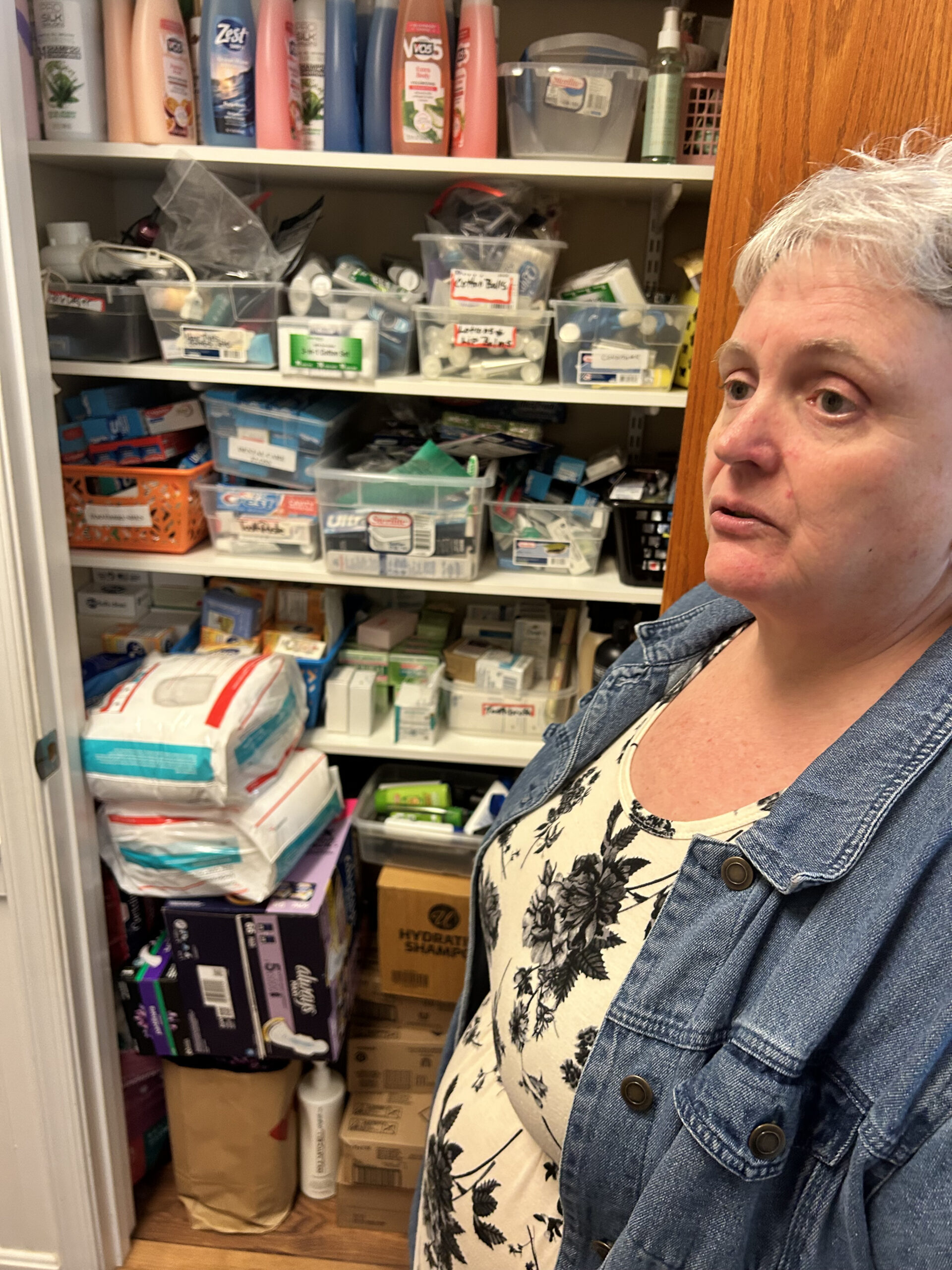
For the shelter, Casa gets money from the state, emergency transitional housing, grant-in-aid money. Whatever more is needed to cover the difference often comes from the Diocese of Wilmington Faith and Charity Catholic Appeal, which are contributions from local donors.
“We get a lot of support from individual donors,” Belkot said. Individual donations can range from $25 to $2,500, and there are many repeat donors, he said. Casa also benefits from support of neighboring parishes of St. Jude in Lewes, St. Ann in Bethany Beach, St. Edmond in Rehoboth Beach and others.
“The wider community also volunteers to prepare meals for us,” Belkot said. “That’s a huge help, not just in terms of labor, but also cost.”
Staff members are thankful that every day someone is dropping off dinner. The facility has a seven-person staff and volunteers who work at the front desk.
Casa has been around 45 years, Belkot said. “The whole homeless dynamic has really changed since that time. Now, people from all walks of life are homeless.”
An emergency food program enables staff to provide food. “It happens all the time,” Murphy said.
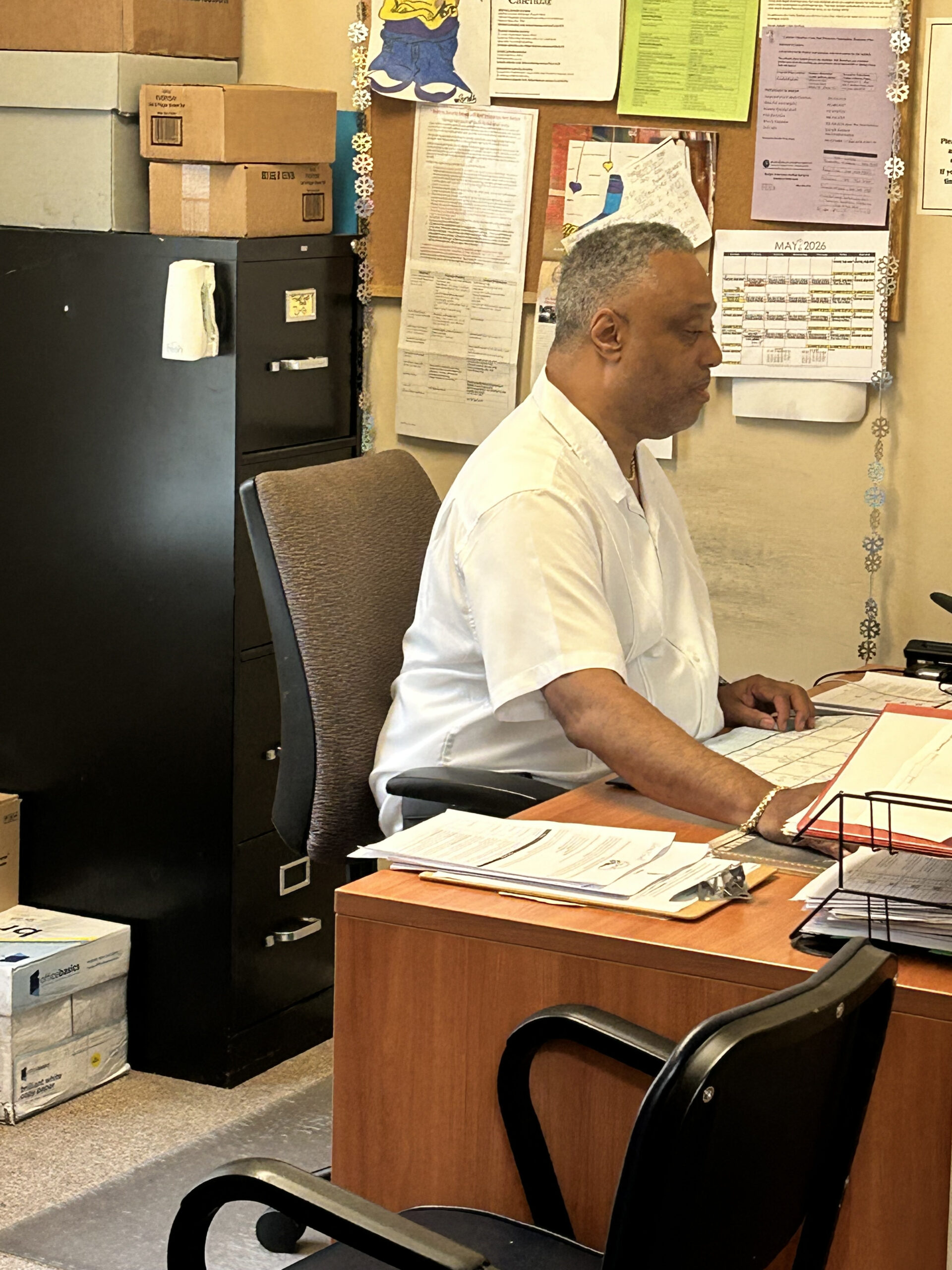
Vicky Heher is a case manager who has seen her share of needy people come through the doors.
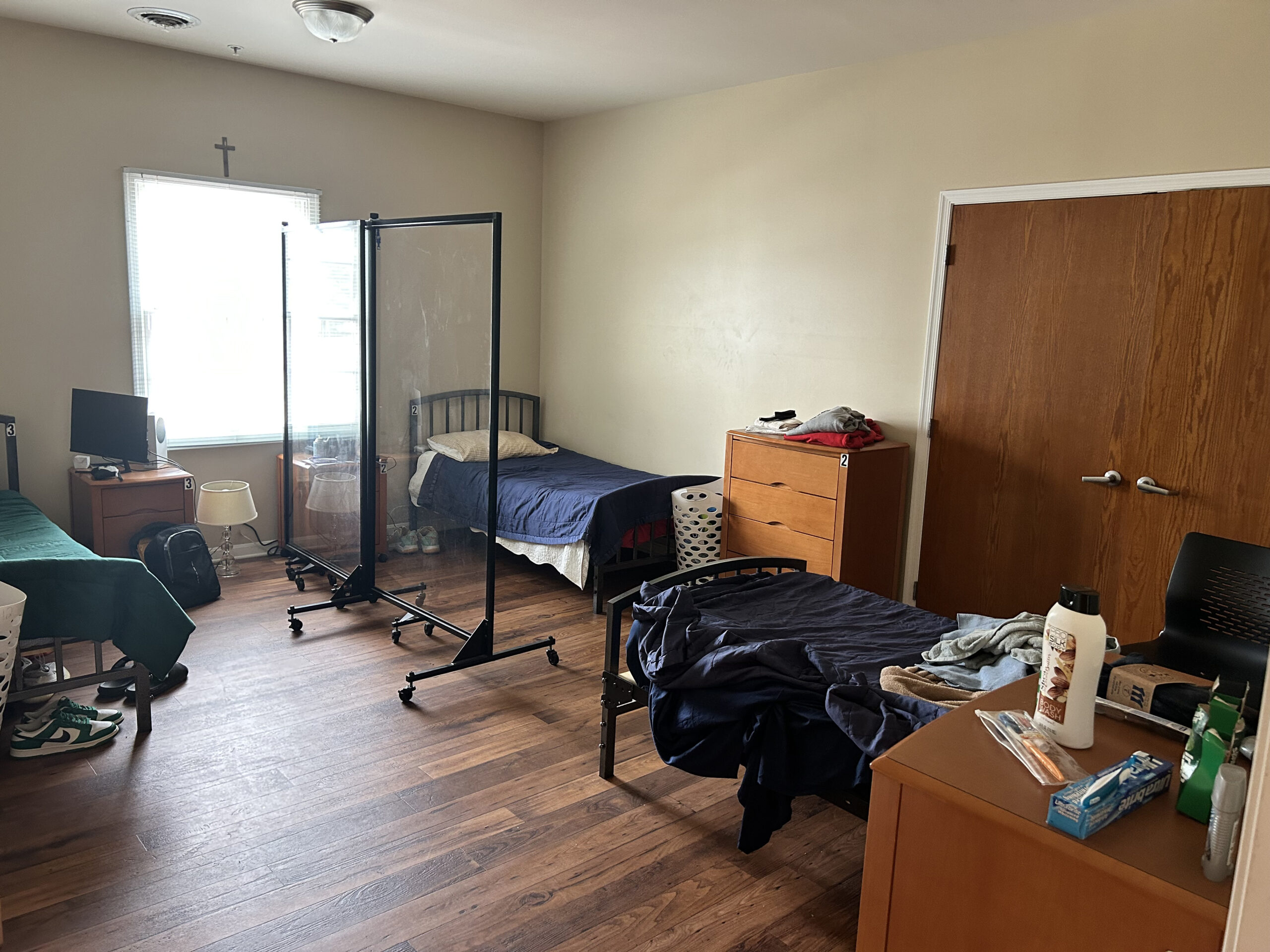
“We’re mostly full,” she said. The facility has 12 beds for women and men in separate areas, emergency food, brown bag program and a senior program.
She said many people are reluctant. “A lot of those people live in the woods and in the streets.”
Heher has also seen her share of success stories.
One woman was at Casa about six weeks.
“Within three days she was employed. And that’s going through mental health issues, too, and sobriety. She got a full-time job at Royal Farms and went into a transitional housing program. Waiting list can be six years for permanent housing.”
Heher herself was homeless 30 years ago. She believes the housing crisis has become worse.
Murphy is a direct staff supervisor at Casa San Francisco. He has come to know some repeat customers.
“We get some recycled,” he said. “They leave and come back. Willing to be here doesn’t mean you’re willing to be helped. They come, but they don’t really want to be helped. They want the time and then they’ll go to the next place. They’ll use the system. Some of them may be gone a short time, some will be gone for a while, but they’ll be back because they have no drive to manage their lives in a way of getting placed, getting a job.”
Murphy also says he has seen plenty of success stories.
“We had one young lady and her son, who was on the mental health spectrum,” he said. “They had a background of domestic violence, so we got them placed.”
The staff in Milton encounters all kinds of circumstances.
“For some people, the idea that a job, a house, a relationship, a car … that’s somebody else, that’s not for me,” Belkot said. “Because they have been habituated to a homeless lifestyle for so long that they can’t imagine … it would be like a shock to be able to turn their life around.”
Casa staff members often encounter a full house. Earlier this summer, they were mostly full, Heher said. She does her best to find other places to send them.
“People from all walks of life are homeless, whereas anecdotally, what I understand what this place used to be was for the guy who was going through a divorce or lost a job or got thrown out of the house or was just between difficult situations and now it’s become much more dire,” Belkot said.
The costs of housing keeps people on the street, Heher said
“The prices have doubled since before COVID. People could get an apartment … for $750. Now they want $1,500 or more.”
Sterotypes don’t help, Belkot said.
“I think a difficult thing for those of us who work in this kind of service work is the frustration we feel when many in the general population still think that people who are experiencing homelessness, it’s just because they’re too lazy to go get a job,” he said. “You know, it’s like they honk their horn at the guy who’s on Rt. 1 or anywhere these days with a sign that says ‘homeless.’”
“It’s trauma,” Murphy said.
And getting past the trauma can require faith. But personal faith isn’t required for someone to get help here.
“We’ve had Muslims, Wiccan, atheist, Catholics, Jews, protestants, nonbelievers,” Belkot said. “It doesn’t matter.”
Murphy said clients often are shocked by the level of service they get at Casa.
“They come in and after they get that brief little tour, they’re like ‘this is really nice,’” he said.
Heher describes one of their oldest clients.
“He’s like, ‘I didn’t know anything about this place. And I grew up here. And I can’t believe how nice you all are to us here.’”
Heher cites the Golden Rule. “I treat them how I’d like to be treated.”
Clients have to be up and ready for the day by 8 a.m. and must be in in the house by 9 p.m. It’s part of getting them ready to learn a routine.
“Lights are out at 11 o’clock,” she said.
“So, I think that some of the things that bring us success lies here,” Murphy said.
“What we have to do is help manage their day and say, ‘Hey, you know, this is rules, you got to make a bed. You got to keep it clean.’ I give them expectations. ‘Hey, you need to hang this up, wet towels don’t go in bed, don’t go on the dresser. They go on the hanger. They go over here.’ This is what the expectations are. And then help them with that.”
It’s a learning process.
“Dion, one day, he just took this one client and took him to a room where everything looked good,” Heher said “So he could see it. ‘You have to show me.’ And that’s what he did. He said, ‘this is how your room should look.’ And the guy was like, ‘OK, I get it. I get it now.’ And no more problems.”
Finished with lunch, the residents young and old clean up after themselves and head back out to continue their day. Some will sit by the river, go to the library or look for work or services that will help them. And when the afternoon ends, they’ll go back to a warm meal and clean bed at Casa San Francisco.
Home, for now.