
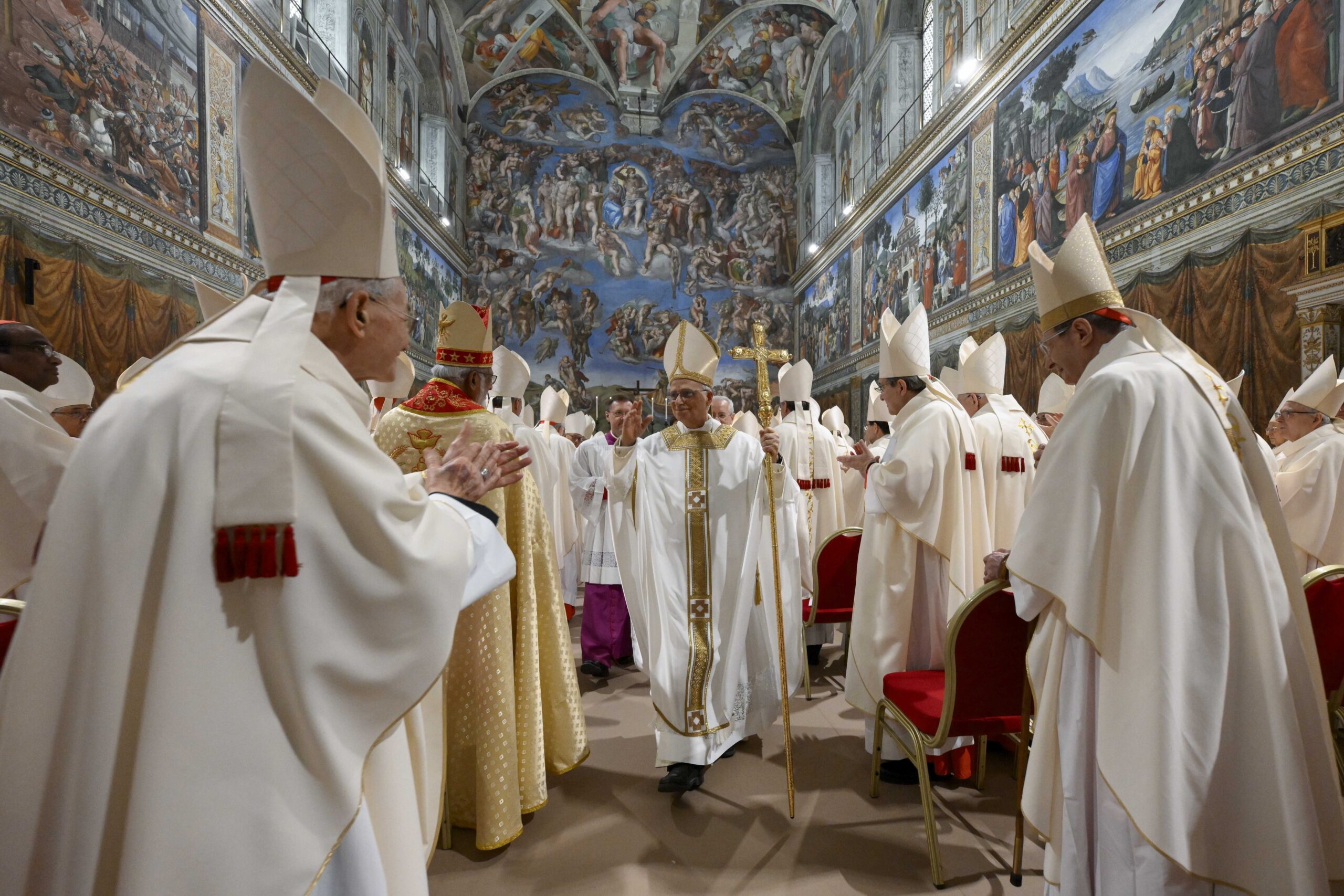



Jubilee years, typically scheduled for every quarter-century in the life of the church, are always meaningful occasions. But a jubilee with two popes is an extraordinary occasion, one which last occurred in 1700.
This year has been extraordinary not just because of the papal transition, but because of the election of Pope Leo XIV himself.
As for any pope, the papacy inherited by Pope Leo on May 8 comes with both the burdens of the office and the opportunities that come from being the new kid in town. The temptation to compare and contrast Leo with his immediate predecessor has occupied the imaginations and pens of many analysts. His short tenure in the Roman Curia and years of missionary experience as a priest and bishop meant then-Cardinal Robert Prevost was relatively unknown.
While this can be a vulnerability, as various ideologues are vying to claim Leo as one of their own — similar to what happened with his predecessor — it is also a strength. And Leo has shown it to be, as he weaves the complex threads of office and history, and endeavors to be a leaven for the church and world.
Since May 8, continuity has been a popular word — whether perceived to be present or not present — when inevitably comparing the Leo and Francis pontificates. Papal continuity is important in many ways, because the Successor of Peter should strive to refrain from polarization and division. The continuity card, though, can be (and has been) overplayed — especially by those who appreciated the avant-garde style or supported the more controversial aspects of the Francis era — and remain hopeful that those same areas of focus will remain.
Continuity with the best of Francis — incidentally, where he, too, was in continuity with his predecessors — should define that conversation. By way of continuity, in the first year of his pontificate, Leo has kept the events and audiences added to the papal calendar before the conclave, and has brought to conclusion various documents already in preparation before his election. He has championed synodality, while also simultaneously subtly shifting the conversation surrounding it. There have also been signals of a more unifying approach toward more traditionally minded adherents to the pre-conciliar liturgy.
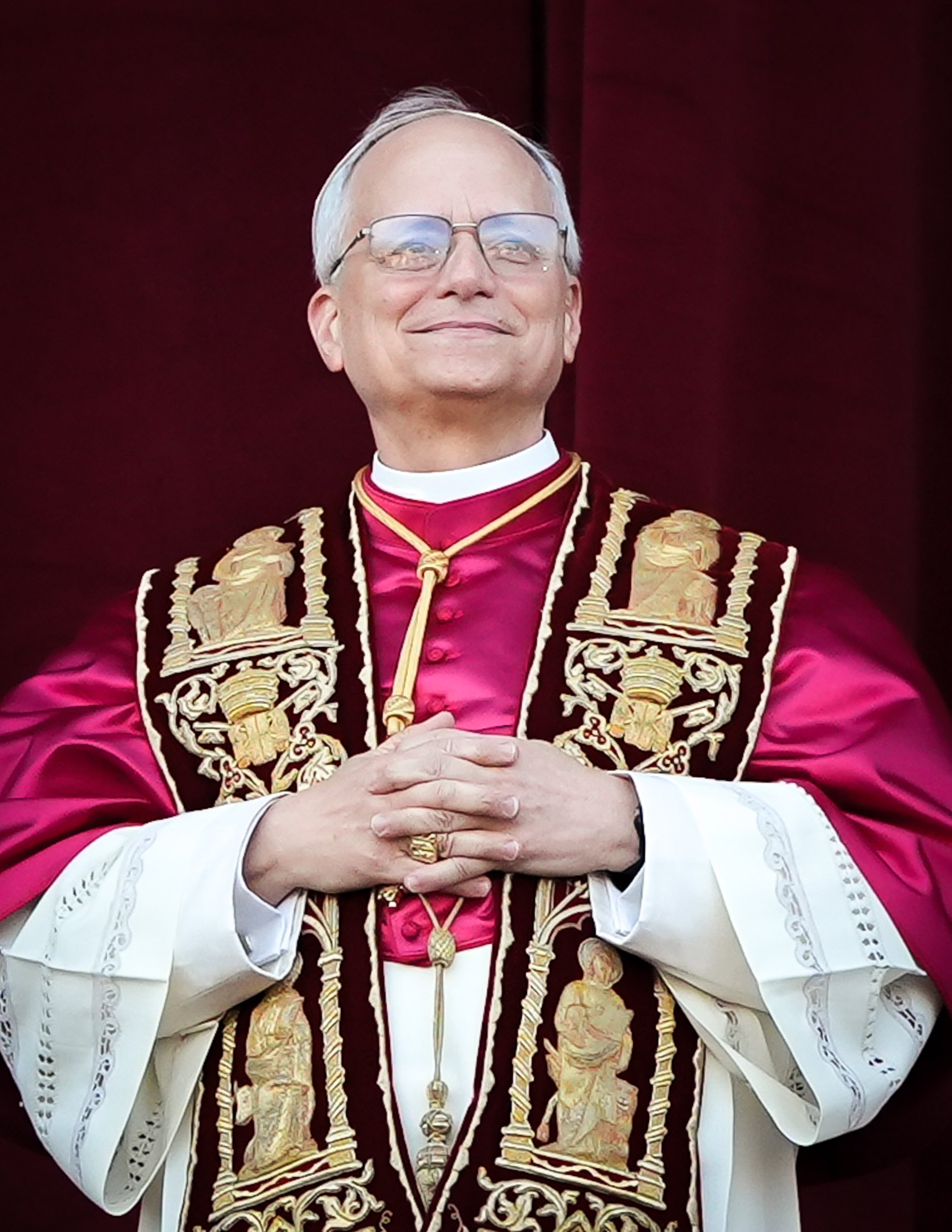
Those who knew him best before his election have spoken of Leo’s patient deliberateness, evidenced in taking his time to appoint his own successor in the Dicastery for Bishops. And that choice of Carmelite Archbishop Filippo Iannone, a veteran curial insider without ideology in his portfolio, also speaks of Leo’s preference to avoid fanning the flames of division. And for those who regard episcopal appointments as a bellwether of the pontificate, Leo has not, as yet anyway, given prominent roles to divisive figures.
It’s become clear Leo isn’t flashy. His presence and persona is presented with a ready, if perhaps shy, smile. His heavy schedule and public comportment shows a man of availability. Anyone watching the long lines at general audiences can see that too. And when regularly having plush likenesses of himself thrown at him as he is driven around St. Peter’s Square, Leo always appears gracious and kind — even exhibiting the American-born baseball fan’s talent for catching.
Both at the Vatican and abroad, as seen in his recent trip to Turkey and Lebanon, he carries himself with a unique steadiness and calm. He doesn’t shoot from the hip, and he hasn’t yet uttered any memorable quips or created any real controversies, despite what some commentators said during the Cupich-Durbin episode.
Yet at the same time, he is not afraid of speaking. His gaggles with the press outside Castel Gandolfo on Tuesday evenings have become something of a standing engagement, and he has shown that he plans to continue in-flight news conferences during papal trips. He also has a clear affection for young people and a desire to connect with them, as seen at the Jubilee of Youth over the summer and at Pope Leo’s recent livestream appearance in Indianapolis where he answered questions at the National Catholic Youth Conference for more than 45 minutes.
As a global figure, he is both tireless in his pursuit and advocacy for peace but also realistic and honest enough, by his own admission, not to pretend it’s left to him to solve the world’s problems.
What has become most interesting to observe about Pope Leo is his apparent, rare combination of authenticity and integrity of life. Such as on those occasions he’s had time to spend with young people, Leo has come across as a skilled teacher and pastor — answering questions posed by one audience yet able to balance a synthesis of the Faith with such substance and simplicity that he skillfully responded in a way that benefitted all.
Consider, too, Leo’s emphasis on piety and devotion. He talks about regular confession, frequent participation in Eucharistic adoration, the value of praying the Rosary, outreach to the poor, and working for peace and unity. And there is something one can’t help but admire about his alternating use of two pectoral crosses which contain relics of various holy figures, one featuring those exclusively from Augustinian spiritual family.
From the beginning, Leo has been his own man. Succeeding the man who opted out of the traditional vesture of popes from the start, Leo donned the red mozzetta when he appeared on St. Peter’s loggia. That has become a symbol for a man who respects custom and tradition. But more than that, it seems to represent Leo’s preference to avoid putting himself at the center. Instead, from his preaching, speeches and interviews, it’s clear he wants Christ at the center.
Instead, ultimately much of what we have seen from Leo — what he is putting at the center — was summed up in the prepared remarks he delivered just after his election. Peace. Unity. Christ. How Leo responds to what awaits him in 2026 will inevitably reveal more of the cards in his hand — and how he will play the cards he’s been dealt.



