


Most of the growth we have seen across Christian denominations in recent years has been in Christian communities that teach sure norms that are relatively stable as society changes. The coming generation of Catholic parents are likely to look for a strong sense of Catholic identity in Catholic schools. As resources become scarcer, why would parents choose Catholic school for their children if they do not perceive that Catholic school offers something that public school, or another private school, cannot?
Promoting a uniquely Catholic culture in our schools is both a necessary task and a challenging one. In rising to this challenge, it is helpful to examine what variables make cultural identity survive and thrive.
One important characteristic is a common language. How do we understand, and talk about, Catholic education? What do we mean by “Catholic”? And more broadly, what language do we share when we talk about our faith? Sharing a common language will mean a well-articulated mission, one that is communicated effectively to parents such that it attracts families to our schools.


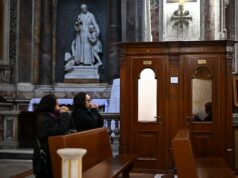
A second characteristic of cultural identity is the use of symbols. What symbols do we see of Catholicism in our schools? When parents stop by to visit, does the Catholic school look different to them than the local public school or a Baptist school would?
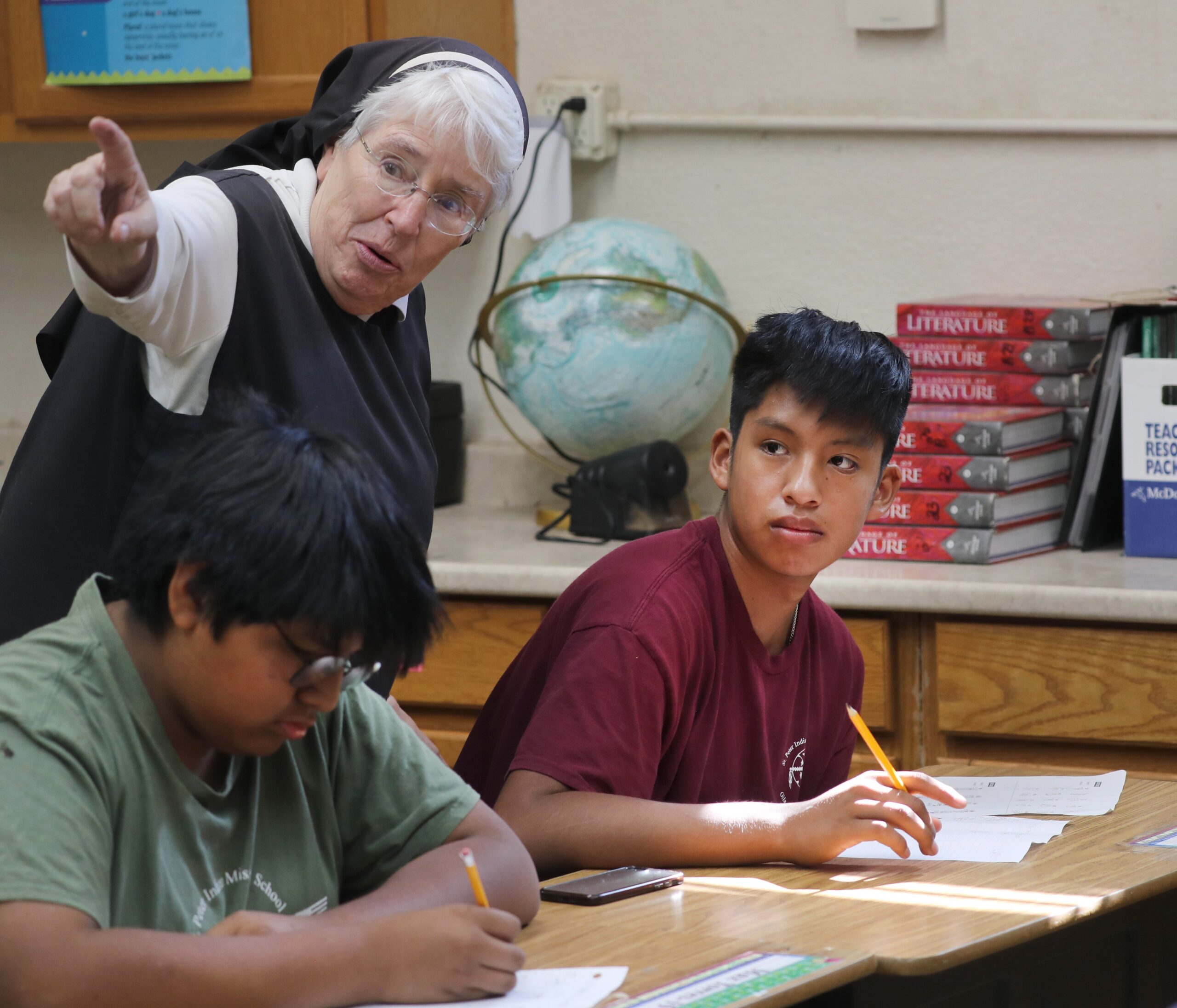
Children, especially those of elementary age, are very concrete thinkers and learners. The visible symbols around them, such as icons, statues, crucifixes and pictures of faith in action, help tell them about where they are and what they are learning. What unique ideas, values and beliefs do we promote in our Catholic schools, and how are they made visible in concrete ways?
The identity-building power of rituals and traditions make them important characteristics of most academic institutions that have longevity. Current students want to remain because of the shared rituals that have built community and become an important part of their lives, and former students continue to support the school — and encourage their children to attend it — because of their fond memories of these traditions.
In our Catholic tradition, we need not look far for ideas that can build the sense of collective identity in our Catholic schools. The liturgical calendar provides occasions for many types of celebrations and traditions, not to mention the day-to-day experiences of Catholic prayer and the sacraments.
Shared cultural norms, even ones that pose challenges to the individual, also build the sense of cultural identity. Catholic schools should not be afraid to promote an authentically Catholic, often countercultural, morality that includes respect for life at all ages and stages, promotion of chastity as a response to our understanding of the dignity of the body and sacredness of marriage, the necessity of social action, including solidarity with the poor, and countless other ways in which we as Catholics are called to be witnesses in society today.
Similarly, we live in a culture in which academic standards have been challenged by the notions of one’s “personal best,” leading to a situation in which we have many public school graduates with high self-esteem, but very little knowledge or academic skill.
While needs and talents can vary greatly, we must also remember that children cannot rise to standards we do not set, and we must not be afraid to call them to rise to high standards of behavior and academic achievement, all the while assisting them in meeting the challenge.