
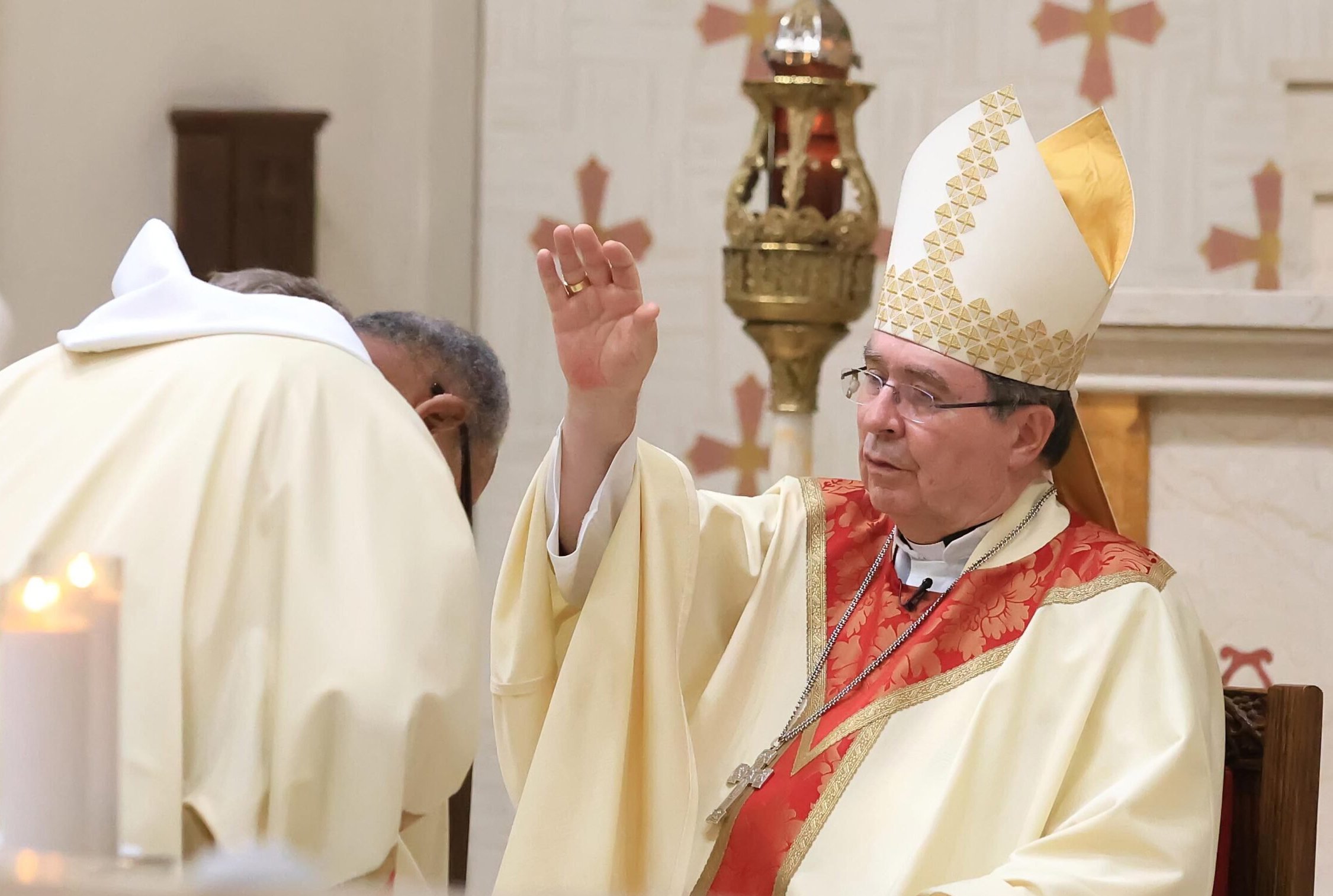



A change is coming in 2026 for the pope’s top man in America. Cardinal Christophe Pierre, apostolic nuncio to the United States, turns 80 Jan. 30, and he is widely expected to have his retirement accepted by Pope Leo XIV in the coming weeks. Nuncio to the U.S. since 2016, Cardinal Pierre’s retirement would draw to a close his nearly five-decade career in service to the Holy See’s diplomatic mission.
The French-born cardinal, whose upbringing was spent in various French-speaking African countries, was ordained a priest in 1970 in his native Archdiocese of Rennes. After completing degrees at the Catholic Institute of Paris, the Pontifical Lateran University and Pontifical Ecclesiastical Academy, the latter two in Rome, Cardinal Pierre entered the Holy See’s diplomatic service in 1977.
The next two decades brought him to postings first in New Zealand, followed by Mozambique, Zimbabwe, Cuba, Brazil and Switzerland at the European office of the Holy See’s mission to the United Nations in Geneva.


In 1995, Cardinal Pierre was named apostolic nuncio to Haiti by St. John Paul II and was ordained a titular archbishop the same year. After nearly four years in Haiti, where he facilitated the laicization of the county’s president at the time, former Salesian priest Jean-Bertrand Aristide, Cardinal Pierre was sent as apostolic nuncio in Uganda in 1999. There he decried the government’s advocacy of condom use as promoting “outright promiscuity,” as over 8% of the Ugandan population was infected with HIV/AIDS at the time.
In 2007, Cardinal Pierre was assigned to Mexico, where he served as apostolic nuncio until Pope Francis appointed him to the U.S. nunciature in Washington in 2016. Pierre followed the now-controversial Archbishop Carlo Maria Viganò, who served as apostolic nuncio to the United States from 2011 and, in 2024, was found to be excommunicated after standing trial at the Vatican for schism.
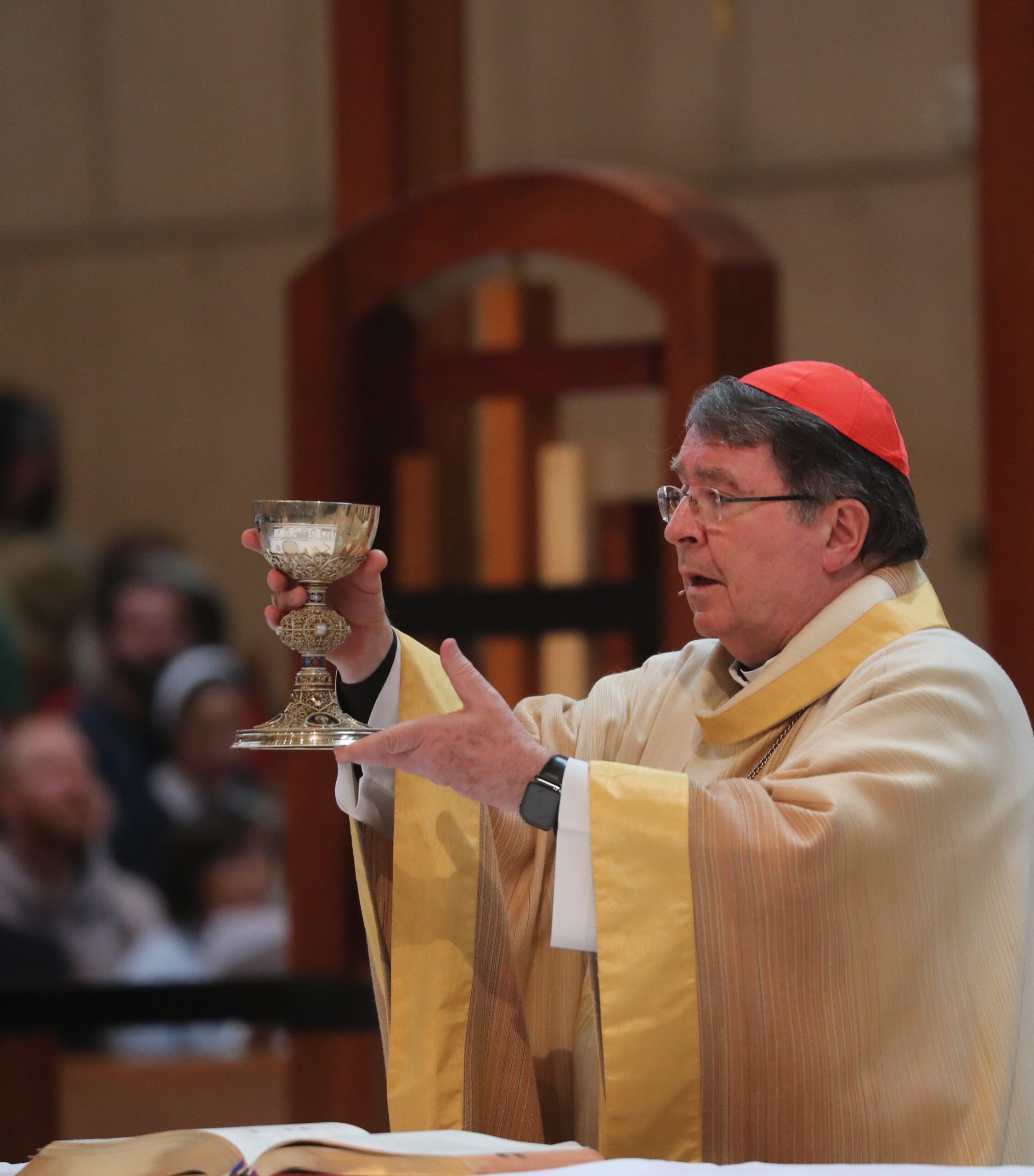
Three years previously, in an interview with Catholic News Service, Cardinal Pierre said Archbishop Vigano’s portrait stayed in the D.C. nunciature despite his inflammatory statements against Pope Francis. “We are not Americans (who) want to take away the statues. We respect history,” Cardinal Pierre had said.
During his tenure as nuncio in the U.S., Cardinal Pierre was without a doubt Pope Francis’ biggest defender in America, and he was named a member of the college of cardinals in 2023. Cardinal Pierre, who had known Pope Francis since Francis had been archbishop of Buenos Aires, observed in the same 2021 CNS interview that Pope Francis was “not a dictator” but was “a mobilizer,” describing his desire “to help the Church be Church here” was his primary motivation.
Cardinal Pierre’s regular addresses to the plenary assemblies of U.S. bishops often centered on application of Pope Francis’ emphases and priorities, particularly synodality — which the nuncio told CNS is emblematic of “the strength of the Church.”
As apostolic nuncio, much of Cardinal Pierre’s time was occupied in overseeing the process of appointing bishops in the United States. He has been widely respected among the bishops for identifying candidates who personified the qualifications Pope Francis wanted to see in bishops, and yet who were, at the same time, also less likely to fan the flames of any polarization or ideologies. Several Church insiders have understood Cardinal Pierre’s role often as a check to Cardinal Blase J. Cupich of Chicago, one of two American members of the Dicastery for Bishops, which ultimately presents candidates for the episcopacy to the pope.
In retirement Cardinal Pierre is expected to split his time between his native France and Rome.
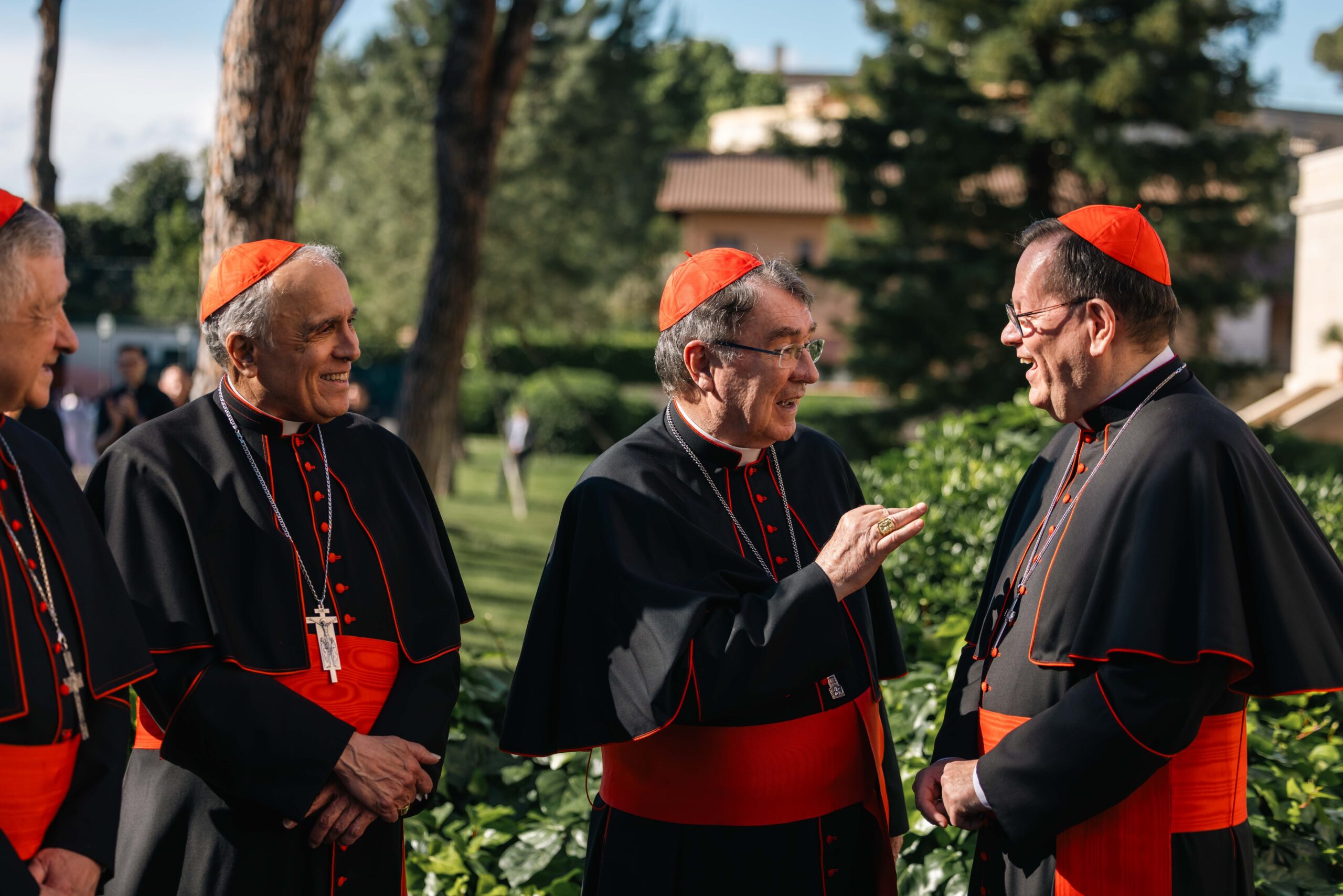
It is rumored that Cardinal Pierre’s successor will be in place in Washington by the spring, which will mean his first address to the U.S. bishops could take place at their June plenary in Orlando. Who it will be is anybody’s guess. But certainly Pope Leo, as the first American-born successor of Peter, will take keen interest in the appointment.
Whoever the new apostolic nuncio might be is expected to be fully Pope Leo’s man in the U.S., like Cardinal Pierre was for Pope Francis. He is anticipated to oversee the appointment of archbishops for several major American sees such as Chicago and Los Angeles, as well as replacements for a growing list of baby-boom-age bishops ready for retirement.
The new nuncio will also be Pope Leo’s key liaison with President Donald Trump, particularly as his administration’s immigration policies are increasingly met by resistance by the U.S. bishops and by Rome. And Cardinal Pierre’s successor will also take up the reins of animating unity at a time when some bishops are increasingly comfortable speaking without wide consultation and collegiality — seen most recently when three American cardinals entered the political fray outside of the episcopal conference — risking a further fracturing of the country’s episcopate.
But, ultimately, it would seem from Pope Leo’s leadership style so far, he doesn’t so much need a defender as much as a diplomat to help him bring the Church together.