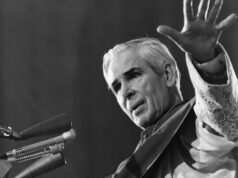


WASHINGTON — The head of the U.S. military archdiocese said in a Jan. 18 radio interview that U.S. soldiers could in good conscience disobey orders to participate in an invasion of Greenland.
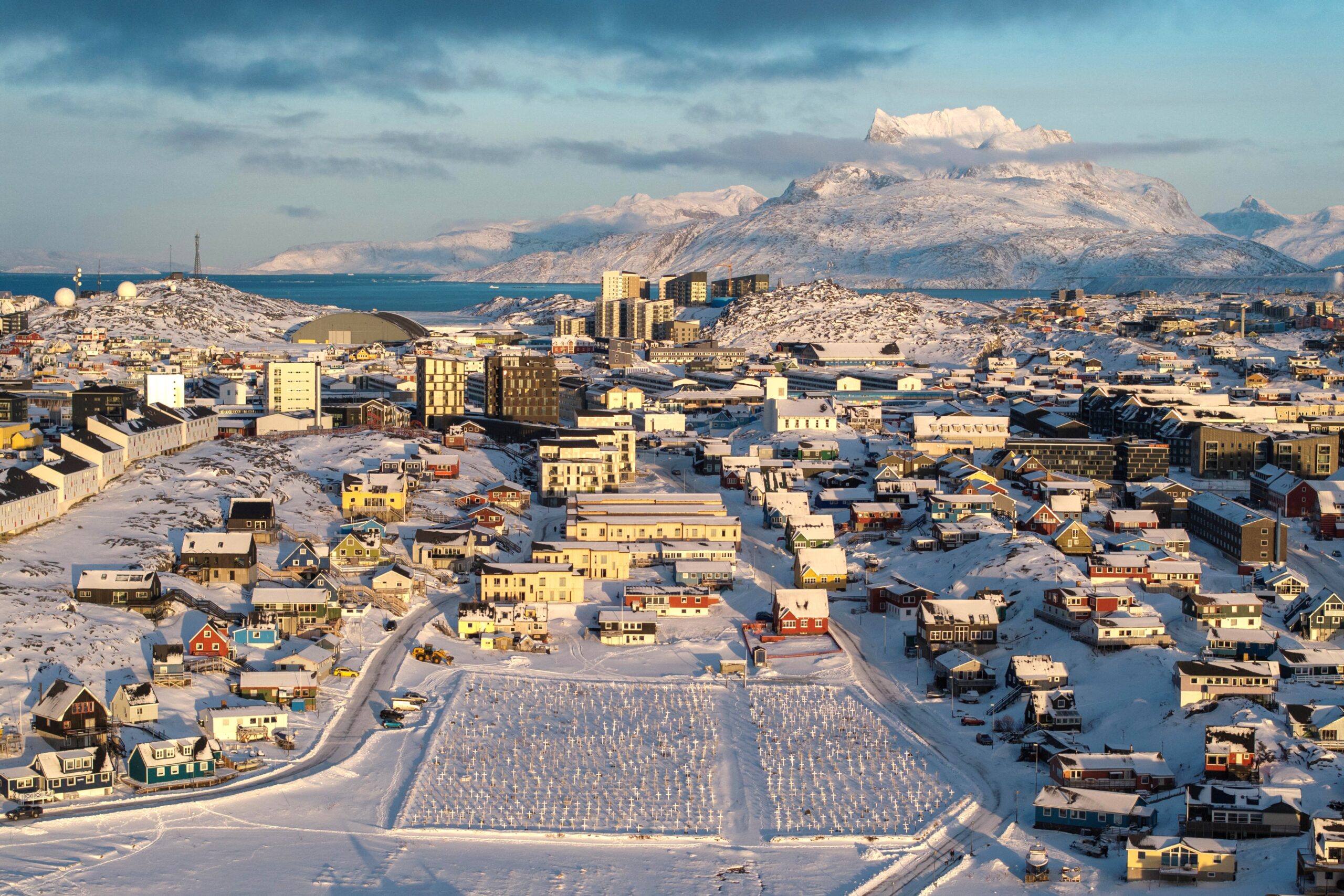
The comments from Archbishop Timothy P. Broglio of the U.S. Archdiocese for the Military Services came as President Donald Trump and members of his administration escalated their rhetoric about acquiring Greenland for national security, while refusing to rule out the use of military force to take the Arctic island. The semiautonomous territory is part of the Kingdom of Denmark, a NATO ally, and the comments set off alarm in Europe’s capitals.
In an interview on the BBC’s “Sunday” program, Archbishop Broglio said he was concerned the U.S. military personnel under his pastoral care could be “put in a situation where they’re being ordered to do something which is morally questionable.”


“It would be very difficult for a soldier or marine or a sailor to, by himself, to disobey an order such as that, but strictly speaking … he or she would be within the realm of their own conscience — it would be morally acceptable to disobey that order,” he said. “But that’s, that’s perhaps putting that individual in an untenable situation, and that’s my concern.”

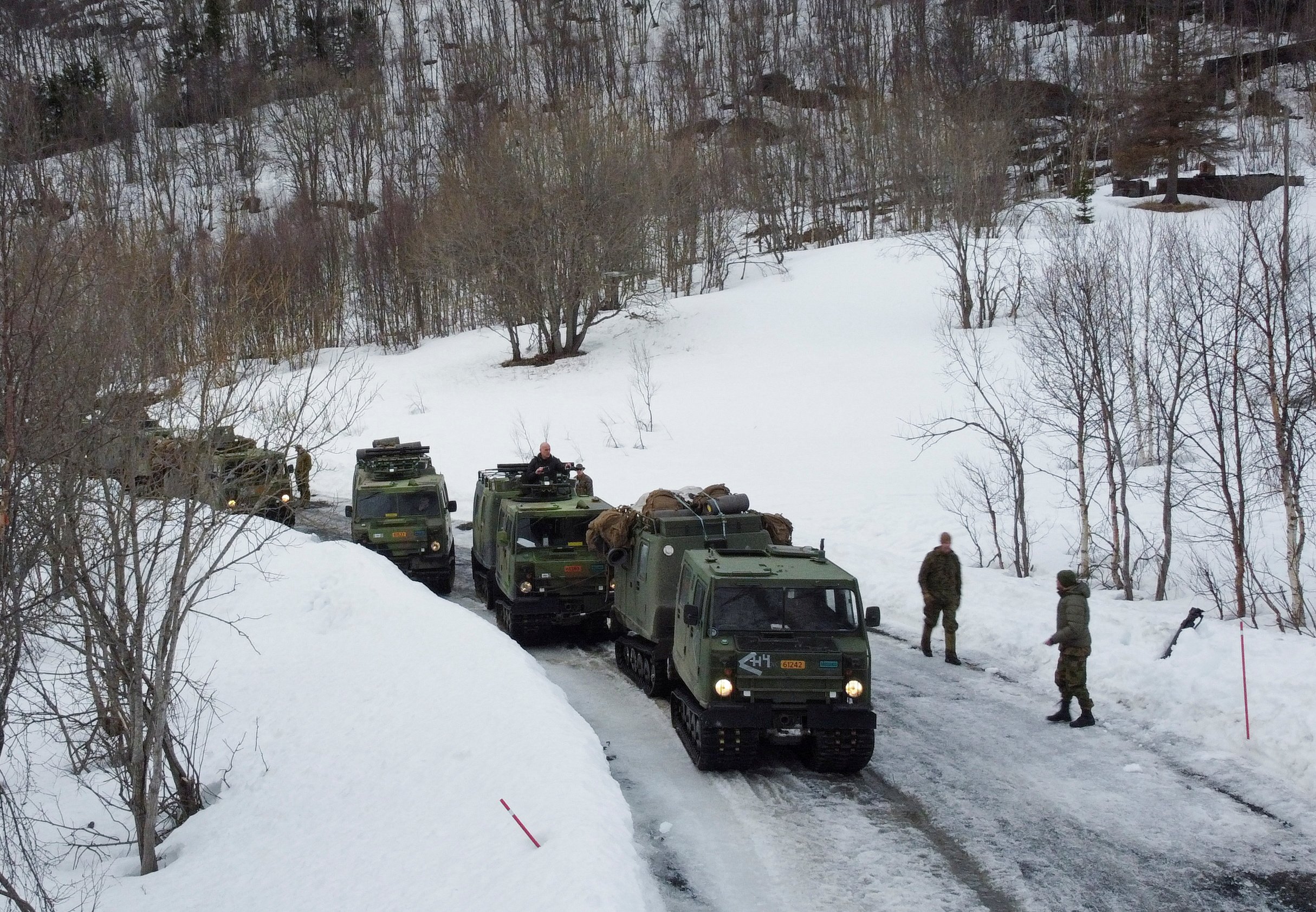
A hypothetical use of military force against Greenland by the U.S. would amount to an attack on a NATO ally under the terms of the alliance. NATO, which was implemented in 1949, considers an attack against one or several of its members as an attack against all, and pledges collective defense in the face of such a scenario. A hypothetical attack by a NATO member against another NATO member is widely seen as a scenario that would bring about the end of the alliance.
Archbishop Broglio said the prospect of military action in Greenland “tarnishes the image of the United States in our world.”
“Because traditionally, we’ve responded to situations of oppression or situations — it’s not to say that those weren’t sometimes in national interest — but … this is certainly very difficult to justify,” he said.
In a text message to Norway’s prime minister first published by PBS Jan. 18, Trump tied his interest in Greenland to not winning the Nobel Peace Prize last year.
“Considering your Country decided not to give me the Nobel Peace Prize for having stopped 8 Wars PLUS, I no longer feel an obligation to think purely of Peace, although it will always be predominant, but can now think about what is good and proper for the United States of America,” Trump wrote in the message.
The Nobel Committee operates independently of Norway’s government, it says on its website.
Asked if he saw any scenario where taking Greenland by force would satisfy the requirements of a just war, Archbishop Broglio said he “cannot see any circumstances that it would.”
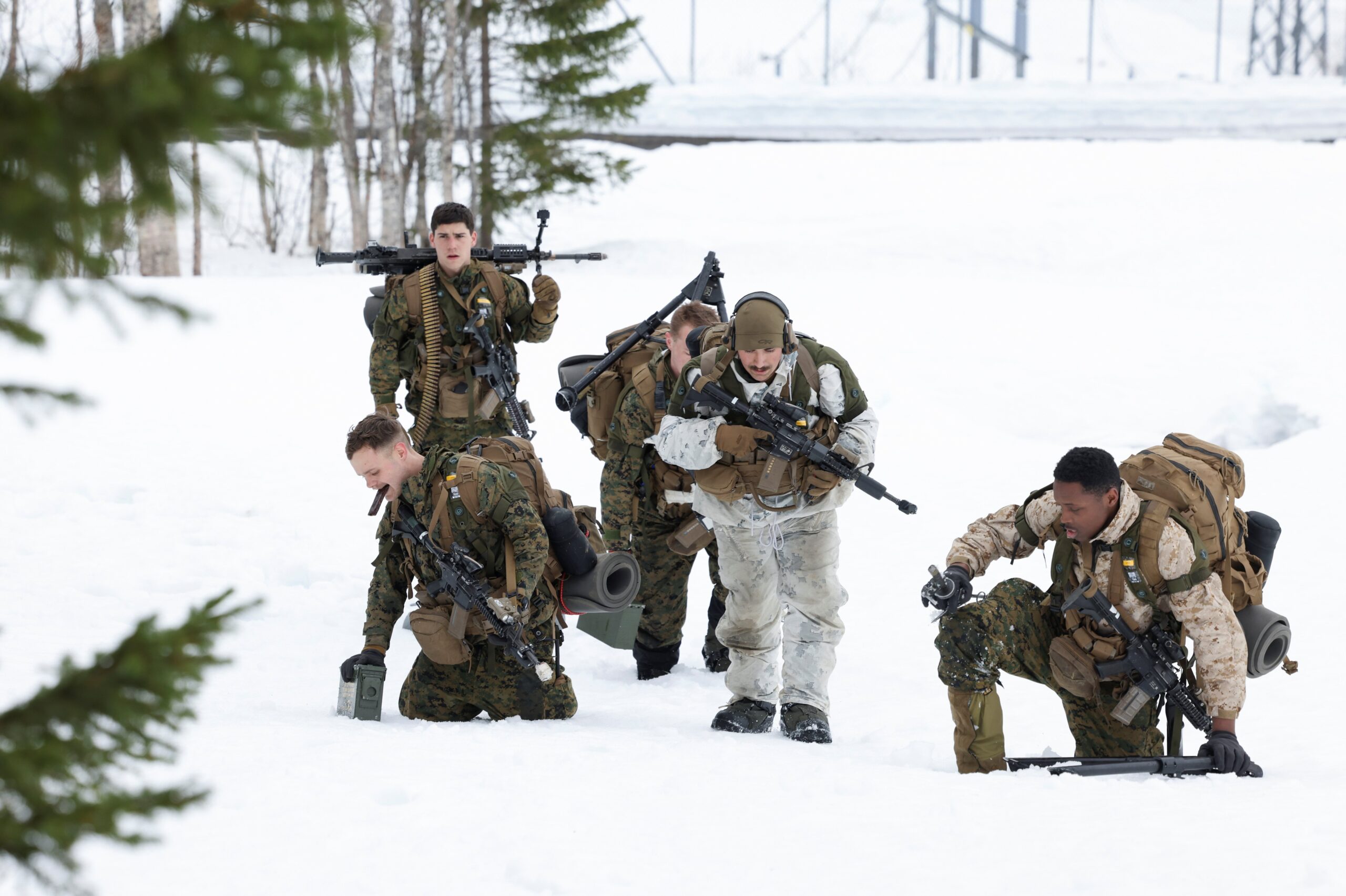
“Greenland is a territory of Denmark. Denmark is an ally. It’s part of NATO. It does not seem really reasonable that the United States would attack and occupy a friendly nation. It doesn’t seem acceptable,” he said.
Archbishop Broglio’s remarks came a day before Cardinal Blase J. Cupich of Chicago, Cardinal Robert W. McElroy of Washington and Cardinal Joseph W. Tobin of Newark, New Jersey, released a joint statement urging the creation of a “genuinely moral foreign policy for our nation,” as the U.S. faces “the most profound and searing debate about the moral foundation for America’s actions in the world since the end of the Cold War.”